

In motor vehicle accidents (MVA), the range and severity of injuries can vary widely depending on the specifics of the accident, such as the speed at impact, the location of the impact, whether seat belts were used, and the type of vehicles involved. Here are some common injuries that people sustain in motor vehicle accidents:
Musculoskeletal Injuries
- Fractures: Broken bones are prevalent in MVAs. Common fractures include those to the arms, legs, ribs, and pelvis.
- Dislocations: Joints may be forced out of their natural position, especially in the shoulders, knees, and hips. Dislocations can also damage surrounding ligaments and tendons.
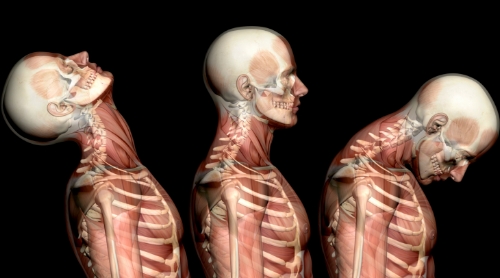
- Soft Tissue Injuries: This includes injuries to muscles, tendons, and ligaments, such as sprains, strains, and tears. Whiplash is a specific type of neck strain from the rapid back-and-forth movement of the neck typical in rear-end collisions.
- Back Injuries: Lower back injuries are common, including lumbar spine fractures, disc herniation, and joint injury. These injuries can cause chronic pain and mobility issues.
Neurological Injuries
- Concussions and Traumatic Brain Injuries (TBIs): These can occur when the head strikes an object or from the violent shaking of the head. Symptoms can range from mild (e.g., headaches, confusion) to severe (e.g., unconsciousness, memory loss).
- Spinal Cord Injuries: Damage to the spinal cord can result in varying degrees of paralysis, depending on the level and severity of the injury.
- Nerve Damage: Accidents can result in peripheral nerve injuries, which may cause pain, weakness, or numbness in the affected areas. This includes conditions like radiculopathy, where nerve roots exiting the spine are compressed or irritated.
- Chronic Pain: Following severe injuries, individuals may develop chronic pain syndromes like complex regional pain syndrome (CRPS), which affects limbs and can be triggered by nerve damage and central sensitization, which is widespread pain hypersensitivity.
Both musculoskeletal and neurological injuries from car accidents can effectively be treated with the right care and addressing these injuries promptly and comprehensively is critical for recovery.
Understanding The Types of Car Collision Injuries We Can Treat
No two accidents are the same, and the details vary based on the specifics of your accident. That said, here are some of the most common ones we see at Momentum Health:
Whiplash-Related Injuries
● Occurs when the head and neck are suddenly forced back and forth, which strains the neck’s tissues
● Symptoms include neck pain, stiffness, and headaches
Concussions
● Occurs when your brain jostles inside your skull, usually due to a bump or jolt to the head
● Can cause a range of physical and cognitive symptoms, including headaches, brain fog, or dizziness
Back Injuries
● Includes damage to the back muscles or the spinal discs
● Can cause lower back pain, radiating pain, or lingering issues with pain and mobility
Soft Tissue Injuries
● Includes sprains, strains, or tears in the muscles, tendons, and ligaments
● Can cause pain and mobility restrictions
Fractures & Dislocations
● Includes broken bones or joints that have been knocked out of place
● These injuries require immediate medical attention, but once you’re out of the hospital, we can provide AHS-funded physiotherapy (certain clinics only) or build a plan for a joint that has been reduced by an emergency room physician.
Why Motorcycle Accident Injuries Need Extra Care
Calgary is home to a vibrant motorcyclist community. However, tricky road conditions, such as gravel and pickle mix after winter, can make riding challenging. And since motorcycle riding provides less protection than riding in a car, even minor crashes can cause significant injuries.
That’s why our plans for motorcyclists often include extra support for fractures, spinal trauma, and concussion recovery.
Momentum Health’s Multidisciplinary Approach to Car Collision Recovery
Instead of bouncing between different clinics, you can receive rehabilitation with our team, who will directly collaborate with each other to your benefit. We work closely with you to create a truly customized program that will address your specific needs–because your accident, your body, and your recovery are all unique to you!
We offer:
- Physiotherapy to rebuild movement, reduce pain, and restore confidence.
- Chiropractic care to realign your spine and ease tension after impact.
- Massage therapy to release tight muscles and speed up healing.
- Occupational therapy to help you manage daily life and return to work.
FAQs
Who pays for physio after a car accident?
In Alberta, when you’ve been injured in a collision, your automobile insurance provides what are called Accident Benefits (Section B). These benefits cover necessary medical treatments — including physiotherapy, chiropractic care, massage, occupational therapy, psychological care, and more, up to a limit (currently $50,000) over a two-year window. It is useful to know that the Alberta Provincial Government has proposed changes to this system, set to take effect in January, 2027.
Once you’ve opened a claim with your auto insurer, we can see you immediately. The initial assessment should ideally occur within 10 days of accident. The assessment is covered by your car insurance, once you’ve opened a claim. Please book in with us as soon as you can to avoid being outside of the 10 day window.
If your injuries are classified as minor (sprain, strain, whiplash WAD I/II) and you follow Alberta’s Diagnostic & Treatment Protocols, we’ll get a certain approval for further treatment from your insurance provider.
However, if your injuries are more serious (nerve damage, fractures, chronic issues) or you require care beyond the protocol limits, your insurer may review whether extra treatment is “medically necessary.” In those cases, you might pay up front and submit receipts or have the insurer approve additional sessions.
If you also suffer loss of income (you can’t work because of your injuries), Section B may offer disability benefits (80% of your income up to a cap) for up to 104 weeks, after a short waiting period, depending on your insurance. Give us a call if you have been in an accident and want to find out your options.
(Tip: We can help you fill out the right forms (AB-1 / AB-2) so you don’t miss deadlines.)
How many physio sessions do I need for whiplash?
That depends on several factors: how severe the injury is, how soon you begin treatment, your overall health, and whether complications (nerve pain, chronic tension, anxiety) are present.
Here’s what evidence and practice suggest:
For mild whiplash / WAD I–II, many patients recover well with a few sessions (3–6) of guided care, combined with a home exercise program and proper advice. Most people experience significant improvement within the first 3 months, for low-risk cases. [citation:australian physio association]
For more persistent neck pain or chronic whiplash, supervised, neck-specific exercise programs over 6+ weeks (with ~2 sessions/week) produce better outcomes than unguided or minimal interventions. [citation NIH on whiplash ]
A multimodal approach (manual therapy + movement + education) often yields better results than any single treatment.
In short: start early, tailor to your progress, stay consistent.
What are the best exercises to do after a car accident?
The “best” exercises depend on your injury, but in general, early movement + gradual strengthening + mobility = key to your recovery. Some approaches that have shown effectiveness include:
Neck-specific strengthening and control (e.g. isometric holds, resisted movements) under supervision first, then progressed.
Sensorimotor / proprioceptive training (head–eye coordination, balance) as the neck recovers.[citation: https://www.iasp-pain.org/publications/relief-news/article/exercise-for-chronic-whiplash/]
Graded activity (gradually increasing movement, working up to normal tasks) rather than prolonged immobilization.
Education & pain coping strategies, to prevent fear-based movement avoidance. This is especially useful when recovery drags on.
At Momentum Health & Evidence Sport and Spine, we assess your condition and build a tailored plan, starting safe, scaling up, and monitoring consistently.
What to do for the body after a car crash?
Right after a minor to moderate collision, here’s a recommended sequence:
- Notify your insurer and submit AB-1 / Notice of Loss forms early (within the insurer’s timelines) so your injury benefits are preserved.
- Book a comprehensive recovery plan: physiotherapy, chiropractic, massage, occupational therapy, and psychological support (for trauma, anxiety) as needed.
- Begin gentle supervised movement and interventions as prescribed, avoiding over-rest or total immobilization.
- Monitor progress & adjust — persistent pain or lack of improvement after 4–6 weeks may require further investigation.
- Prioritize sleep, nutrition, stress management as your body heals.
How long does it take your body to heal after a car accident?
Healing timelines vary widely. Many people improve significantly in 4–12 weeks, especially with early and consistent care.
However, some injuries (nerve damage, concussions, psychological effects) can persist longer, and for some, symptoms may become chronic. [citation: https://pmc.ncbi.nlm.nih.gov/articles/PMC2975530/]
What matters most is how you recover, not just time. With the right support, you’re more likely to avoid lingering pain or disability.
How to recover quicker from a car accident?
Here are strategies backed by science and our experience:
- Start early. Delays in treatment often correlate with slower recovery
- Stay active (within reason) gradual, guided movement is better than prolonged rest
- Use a multidisciplinary approach when needed, combining physio, manual therapy, massage, OT, and psychological care
- Address stress, sleep, mindset. Post-accident anxiety or PTSD can slow physical healing
- Follow your rehab plan! Consistency is more powerful than intensity
- Monitor warning signs (radiating pain, numbness, dizziness). If symptoms worsen, we might reassess with imaging or other specialists
How many days should you rest after a car accident?
Complete bed rest is seldom helpful beyond the very short term. Evidence supports early mobilization — meaning gentle movement, walking, light motion within tolerance — rather than strict rest. [citation: https://www.sciencedirect.com/science/article/pii/S1836955314000058]
Typically, 1–3 days of relative rest (avoiding aggravating activities) is reasonable, but after that, your body benefits more from guided movement and rehabilitation than prolonged immobilization.
How to overcome trauma from a car accident?
Physical healing is just one piece. Psychological recovery matters. Here’s what can help:
Talk it out! Trauma, anxiety, or flashbacks are real. A trained psychologist or occupational therapist can help you process the event.
Combine mind + body work: strategies like guided relaxation, breathing exercises, mindfulness, or visualization, paired with movement, support recovery.
Stay connected & supported. Isolation often worsens psychological symptoms. Lean on safe social circles, groups, or support services.
Catch distress early. Symptoms like hypervigilance, nightmares, avoidance, mood swings signal it’s time to get help.
At Momentum Health, we can link you to psychological care and often co-manage your recovery so your body and mind heal together.
Your Next Steps…
Book An Appointment
Determine Coverage
Get An Assessment
Start Treatment