
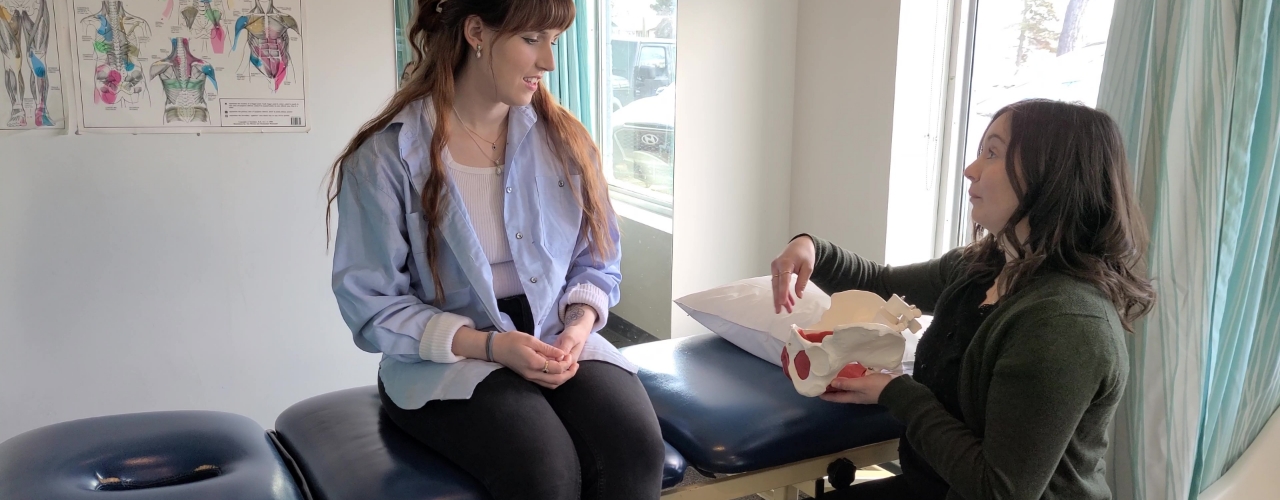
How Physiotherapy Can Help You Alleviate Pelvic Pain
Are you struggling with pelvic pain and seeking an effective, non-invasive treatment to restore your quality of life? Look no further. At Momentum Health, our physiotherapists in Creekside, Deerfoot, Mahogany, Ogden, Seton, Westbrook, West Springs, Evidence North, Evidence South and National Spine & Wellness are dedicated to helping you overcome pelvic pain and embrace a better future using evidence-based pelvic physiotherapy techniques.
Pelvic pain is a common yet often misunderstood issue affecting both men and women. It encompasses discomfort or pain in the lower abdomen, genitals, or lower back, often caused by dysfunction in the pelvic region’s muscles, nerves, or joints.
Pelvic physiotherapy addresses a wide range of conditions, such as:
- Pelvic floor dysfunction
- Interstitial cystitis
- Endometriosis
- Prostatitis
- Pudendal neuralgia
- Pelvic pain conditions like Vulvodynia and Vestibulodyina
- Coccydynia
- Lumbar and Sacroiliac joint (SIJ) pain
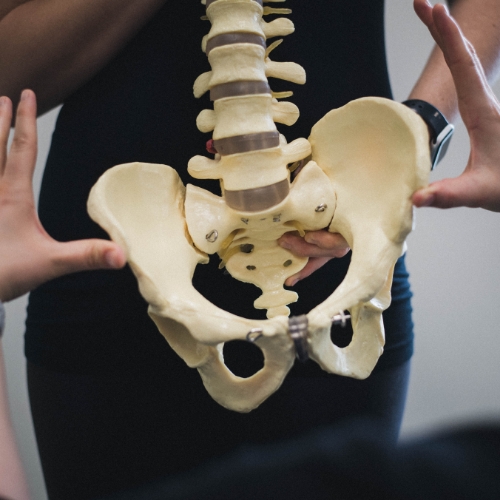
According to research, pelvic physiotherapy is a highly effective treatment that significantly improves 29-59% of patients experiencing pelvic floor disorders. By employing a comprehensive approach to pelvic health, our physiotherapists at Momentum Health work closely with you to create a tailored treatment plan that addresses your unique needs and goals.
Common symptoms associated with pelvic pain conditions include urinary and bowel dysfunction, sexual dysfunction, and chronic pain. At Momentum Health, our skilled physiotherapists utilize various techniques, such as manual therapy, biofeedback, and exercise prescription, to alleviate these symptoms and improve overall well-being.
Moms who are between 4 weeks postpartum and up to 5 years after baby will want to read about our Restore Core and Floor Program.
Take control of your pelvic health today by choosing Momentum Health for your physiotherapy needs. Contact us today to schedule an appointment!
What Are Some of the Common Sources of Pelvic Pain?
Your pelvic floor is a “sling” of muscles at the base of your core that support your bowels, bladder, sexual organs and prostate gland (in males). When these muscles are impaired, it can lead to several types of painful pelvic floor dysfunctions.
Our team of physiotherapists can help you identify the source of your pelvic pain – allowing you to receive the best possible treatment for your needs. Here are some of the more common sources of pelvic pain and their accompanying symptoms:
- Endometriosis: This chronic gynecological disease occurs when uterine-like tissue grows outside the uterus. It can lead to extremely heavy or painful periods, mood changes, and painful intercourse.
- Prostatitis: This condition occurs when the prostate becomes inflamed, leading to pain throughout the pelvic area, including the genitals, lower abdomen, and lower back.
- Pudendal Neuralgia: This chronic pain condition occurs due to damage to the pudendal nerve, which runs throughout the lower buttocks, the area around the anus and rectum, and the genitals. The most common symptom is pain, numbness, or tingling in the affected area, which is most acute when sitting.
- Urinary Incontinence: Although this condition isn’t necessarily painful, it can result from weakened pelvic floor muscles and often indicates an underlying pelvic floor dysfunction.
- Sexual Dysfunction: Sexual dysfunction, including painful intercourse or erectile dysfunction, can sometimes stem from pelvic floor impairments.
At Momentum Health, we provide a discreet, non-judgemental environment where you can freely share your symptoms – allowing our physiotherapists to get to the root of your pelvic floor issues so we can find the right solution for you.
Make an appointment at our Creekside, Deerfoot, Mahogany, Ogden, Seton, Westbrook, West Springs, Evidence North, Evidence South or National Spine & Wellness physiotherapy clinic to get started!
How Physiotherapy Helps Resolve Pelvic Pain
At Momentum Health, we’ll start with a comprehensive exam, including a full health history and overview of your symptoms – allowing our physiotherapists to get to the root of your pelvic floor issues so we can develop a personalized treatment plan.
Here are just a few of the evidence-based techniques we’ll use to help you find relief:
- Pelvic Floor Manual Therapy: The pelvic floor is a muscle like any other. A gentle, hands-on manipulation of the muscles and fascia can help release the muscles so you can find relief.
- Pelvic Floor Exercises: Pelvic floor exercises can help strengthen and stretch your pelvic floor muscles. We’ll show you which exercises will most benefit you and your condition. In some cases, we might utilize biofeedback to really target your muscle training.
- Soft Tissue Massage: We can apply these hands-on techniques to the surrounding area, including the hips and low back. Techniques include myofascial release, active release, petrissage, effleurage and trigger point release. They target tight muscles and fascia, promoting relaxation, improved range of motion and circulation.
- Modalities: Certain techniques, such as electrical stimulation (TENS) or hot and cold therapy, can help reduce pain.
- Bladder Training: If you’re struggling with urinary incontinence, bladder training can help you go longer between bathroom breaks.
- Education: Finally, we can provide detailed education about your particular condition, including strategies for lifestyle changes that might help reduce your pain or relieve symptoms.
No matter the source of your pelvic floor discomfort, the team of physiotherapists at Momentum Health will work closely with you to find the right solutions for your needs. Our scientifically-backed, evidence-based approach will help you get the relief you’re looking for!
Pelvic pain can significantly impact your quality of life – but dedicated pelvic floor physiotherapy will help you feel your best. Book your first appointment today!
Your Next Steps…
Book An Appointment
Determine Coverage
Get An Assessment
Start Treatment