
Physiotherapy Treatment for Knee Osteoarthritis Management
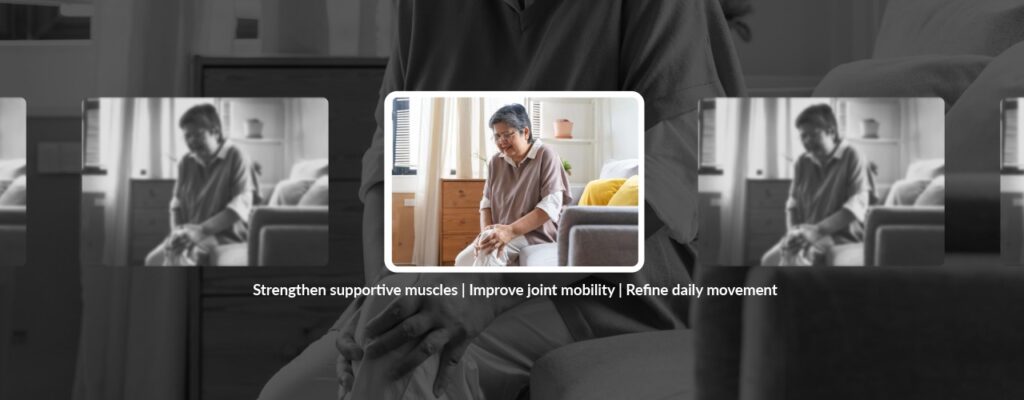
Many people think knee osteoarthritis means giving up activities they enjoy. They may avoid walks, stop exercising, or become worried every time their knee feels stiff. While osteoarthritis can affect how the knee moves, it does not mean activity has to stop. In fact, knee osteoarthritis treatment physiotherapy often focuses on helping people stay active, improve movement, and manage everyday tasks more comfortably. Understanding what physiotherapy can and cannot do starts with separating common myths from the facts.
Common Myths About Knee Osteoarthritis
Knee osteoarthritis is one of the most misunderstood conditions seen in physiotherapy clinics. Let’s look at some common myths and what patients should know.
Myth #1: Knee Pain Means You Should Avoid Activity
Fact: Avoiding all activity can sometimes make the situation more difficult.
When people move less, muscles may become weaker and joints may become stiffer. This can make everyday activities such as walking, climbing stairs, and standing from a chair feel more challenging.
Physiotherapy often focuses on finding appropriate ways to stay active while respecting the body’s current abilities. For many patients, knee osteoarthritis treatment physiotherapy includes movement strategies designed to keep the knee functioning as well as possible.
Myth #2: Osteoarthritis Only Affects Older Adults
Fact: Although osteoarthritis becomes more common with age, it can affect adults of different ages.
Previous injuries, repetitive physical demands, activity history, and other factors may influence joint health over time. This is why physiotherapy assessments focus on the individual rather than making assumptions based on age alone.
Myth #3: If Imaging Shows Arthritis, Nothing Can Be Done
Fact: Imaging findings are only one piece of the picture.
Many people with osteoarthritis remain active and continue participating in activities that are important to them. Physiotherapy focuses on factors such as strength, mobility, balance, and movement quality that may influence how the knee functions. Our therapist looks at how symptoms affect daily life, not just what appears on a report.
Myth #4: Stronger Muscles Do Not Matter
Fact: The muscles around the knee play an important role in supporting movement.
When muscles become weaker, everyday activities may require more effort. Improving strength can help the body handle physical demands more efficiently. This is one reason knee osteoarthritis treatment physiotherapy often includes exercises designed to improve strength and function.
Myth #5: Rest Is the Best Long-Term Solution
Fact: Short periods of rest may sometimes be helpful, but relying on rest alone is rarely a long-term strategy.
Most people need a combination of movement, activity modification, and exercise to support ongoing function. The goal is not to avoid using the knee. The goal is to help the knee continue participating in daily activities as effectively as possible.
What Does Physiotherapy Look Like for Knee Osteoarthritis?
Every patient has different goals and challenges. Some people want to walk longer distances. Others want to keep up with grandchildren, participate in recreational activities, or move more comfortably at work.
Our therapist may assess:
- Knee mobility
- Lower body strength
- Balance and stability
- Walking patterns
- Daily movement habits
These findings help create a plan that matches the patient’s needs.
Common Physiotherapy Approaches
Treatment often focuses on practical improvements that patients can use in everyday life.
Strengthening Exercises
Exercises may target the muscles that support the knee, hips, and lower body.
Mobility Training
Improving movement can help reduce stiffness and support daily activities.
Balance Activities
Balance exercises may help improve confidence during walking and other functional tasks.
Movement Education
Patients learn strategies that may help them move more efficiently throughout the day.
Together, these approaches often form the foundation of knee osteoarthritis treatment physiotherapy.
The Goal Is Better Function, Not Perfection
Many patients worry that osteoarthritis means their activity levels will continue to decline. The reality is that many factors influence how a knee performs during daily life. Strength, mobility, balance, activity habits, and confidence all play a role.
Physiotherapy focuses on helping patients improve these areas so they can continue participating in meaningful activities. For many individuals, knee osteoarthritis treatment physiotherapy becomes an opportunity to learn how movement, exercise, and daily habits can support long-term function.
Staying Active With Greater Confidence
Living with osteoarthritis often involves making adjustments, but it does not mean giving up the activities that matter most. Understanding how the knee functions and learning practical ways to support it can make a meaningful difference in everyday life.
At Momentum Health, our therapist works with patients to identify challenges, answer questions, and develop personalized strategies that fit their goals. A better understanding of your knee can help you make informed decisions about staying active and maintaining independence in the years ahead.