
Speeding Up Shoulder Pain Recovery with Physiotherapy
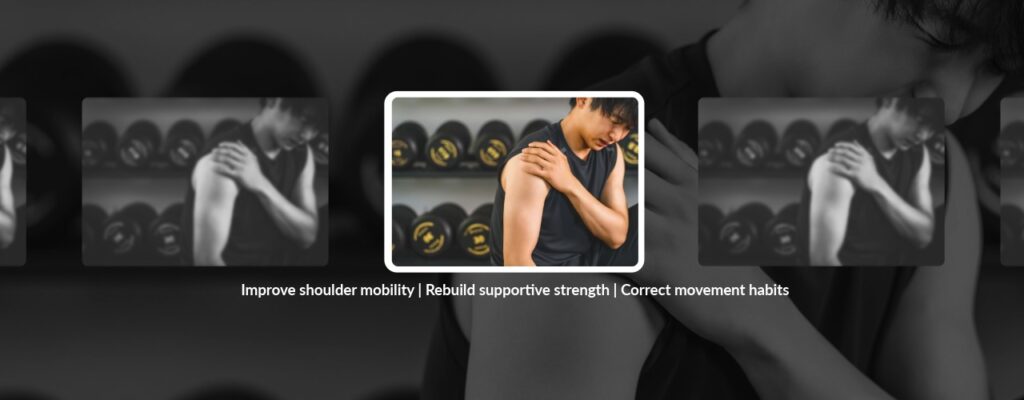
When shoulder pain starts affecting your daily routine, it is natural to want relief as quickly as possible. Simple tasks such as reaching into a cupboard, fastening a seatbelt, carrying groceries, or getting dressed can become frustrating when the shoulder is not working properly. While everyone wants a faster shoulder pain recovery, the goal is not to rush the healing process. The goal is to help the shoulder move better, build strength, and return to normal activities safely and efficiently.
Common Issues with Shoulder Pain Recovery
Rest Alone Does Not Always Solve the Issue
Many people assume the best solution for shoulder pain is to stop using the arm as much as possible. While reducing aggravating activities can be helpful in some situations, too much rest may create new problems. The shoulder can become stiffer, muscles may weaken, and everyday movements may start feeling more difficult.
This is one reason some people feel frustrated when symptoms linger longer than expected. The shoulder often needs the right balance of movement and recovery.
Pain Can Change How You Move
The body naturally tries to avoid painful movements. Over time, people may begin reaching differently, lifting differently, or relying on other muscles to compensate. These changes can reduce stress in the short term, but they may also place extra demands on nearby structures.
Many patients are surprised to learn that these movement habits can continue even after symptoms begin to improve. Addressing these patterns is often an important part of shoulder pain recovery.
Weakness Can Slow Progress
Shoulder pain often causes people to reduce their activity levels. As a result, muscles that support the shoulder may become less active. This weakness can make everyday activities feel more demanding and may affect how efficiently the shoulder moves.
Without addressing these strength deficits, patients may find it difficult to return to the activities they enjoy. If shoulder pain is limiting your work, recreation, or daily activities, contact Momentum Health to schedule an assessment and learn how physiotherapy may help.
Solutions from the Momentum Health Team
Understand What Is Driving the Symptoms
Shoulder pain can have many different causes. A physiotherapy assessment helps identify factors that may be contributing to the problem. Rather than focusing only on where the pain is located, our therapist looks at how the shoulder functions during movement.
This broader view often provides valuable information about why symptoms developed and what may help improve them.
Improve the Way the Shoulder Moves
Movement quality plays a major role in shoulder pain recovery. When the shoulder, shoulder blade, and upper back move together efficiently, everyday tasks often become easier to perform. Our therapist may recommend mobility exercises, movement retraining, and activity modifications designed to support healthier movement patterns. These strategies help the body distribute forces more effectively during daily activities.
Build Strength That Supports Real-Life Activities
Strong muscles help the shoulder handle physical demands throughout the day. Physiotherapy uses exercises that match the patient’s current abilities and goals. The focus is not simply building muscle. The focus is helping patients lift, carry, reach, and move more comfortably during the activities that matter to them. As strength improves, many patients notice greater confidence during routine movements.
Focus on Consistent Progress
Many people look for one major breakthrough during recovery. In reality, meaningful progress often comes from a series of smaller improvements. Better mobility, improved strength, and more efficient movement patterns work together to support function over time.
For many patients, shoulder pain recovery becomes easier when they focus on steady progress rather than searching for a quick fix.
What Our Therapist Assesses
A physiotherapy assessment may include:
- Shoulder mobility
- Strength throughout the shoulder and upper back
- Movement patterns during daily activities
- Functional limitations affecting work, recreation, or home life
These findings help create a treatment plan that reflects the patient’s individual needs and goals.
Better Movement Creates New Opportunities
Shoulder pain can influence much more than the shoulder itself. It can affect confidence, activity levels, and participation in the things people enjoy. The good news is that many of the factors contributing to shoulder pain can be addressed through a structured rehabilitation plan.
At Momentum Health, our therapist works with patients to understand how shoulder pain is affecting their daily life and what steps may help improve function. Small improvements in movement often create new opportunities to participate in work, hobbies, exercise, and everyday activities with greater comfort and confidence.