

An Evidence-Based Approach to Finding Relief
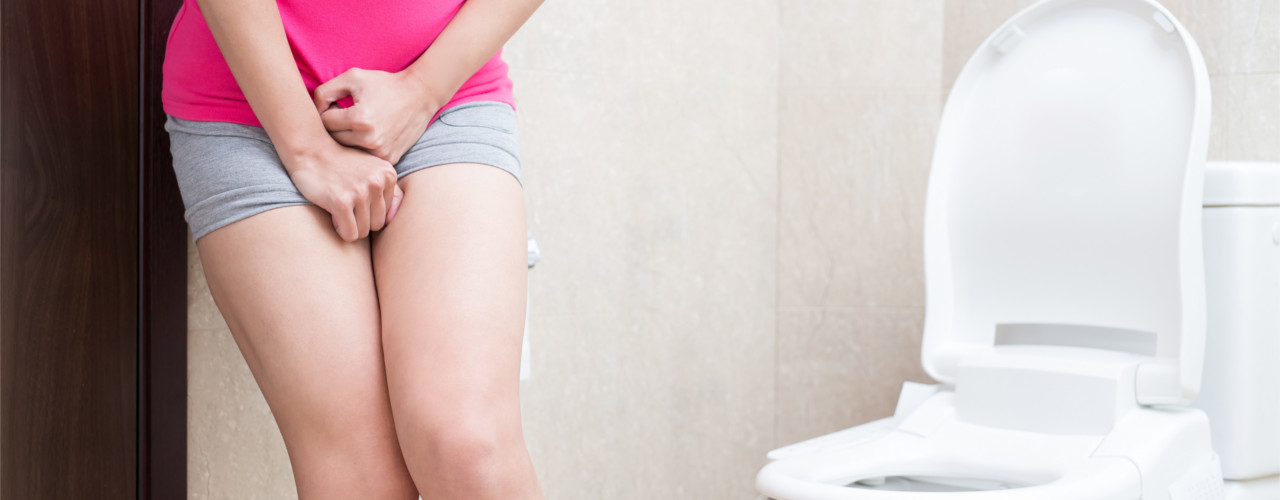
Struggling with incontinence can be difficult. Many people hesitate to talk about their symptoms, much less seek help. However, with the help of several science-backed treatment options, you can find the relief you need.
Incontinence, particularly urinary incontinence, is surprisingly common, especially among women. Some estimates suggest that half of women will experience incontinence at some point in their lives. Men aren’t immune, either, with studies putting the incidence rate between 3% – 11%.
While it can have various causes, it often develops due to a weakened, over-active, or overstretched pelvic floor, the group of muscles that support the bladder, bowels and pelvic organs.
The Four Types of Incontinence
- Stress Incontinence – This is the most common form of incontinence and primarily affects women, especially women who’ve given birth. It occurs when urine leaks out under pressure, like while you’re laughing or coughing.
- Urge Incontinence – This type is marked by a sudden, overwhelming urge to urinate. This is the most common type to occur in men.
- Mixed Incontinence – This type blends symptoms of stress and urge incontinence.
- Total Incontinence – This type occurs when someone loses all ability to control their bladder. Compared to the other types, it’s relatively rare and stems from an underlying condition (such as a spinal cord injury).
If you’re experiencing incontinence, you aren’t alone – and you can find relief at Momentum Health. Schedule an appointment today to learn more!
What About Fecal Incontinence?
Like urinary incontinence, fecal incontinence can stem from issues with the pelvic floor as well as other causes (like aging or stroke). Many of the interventions we use to address urinary incontinence can also address fecal incontinence. In both cases, we provide a discreet, judgment-free space where you can freely share your symptoms and concerns.
Proven Techniques for Treating Incontinence
Momentum Health’s multidisciplinary team will create a customized treatment plan based on your needs. While every plan is different, here are some of the treatments we might include:
Pelvic Floor Muscle Training
Because incontinence often stems from impairments with the pelvic floor, re-training, releasing and strengthening those muscles can often help alleviate symptoms. We’ll guide you through tailored exercises.
Bladder Training
This technique helps those with urge incontinence symptoms train their bladder to go longer between bathroom breaks. Relaxation techniques help you “hold it” for longer, which helps build bladder capacity.
Nutritional Counselling
Certain foods or beverages can impact bladder and bowel health. We’ll help you make the right dietary choices to control your symptoms.
Lifestyle Advice
We can guide you through additional lifestyle changes to improve bladder or bowel health, such as avoiding irritants and staying physically active.
Don’t let incontinence keep you from living a rich, healthy life! Schedule an appointment at our Creekside, Deerfoot, Mahogany, Ogden, Seton, Westbrook, West Springs, Evidence North, Evidence South and National Spine & Wellness clinic to get started.
Your Next Steps…
Book An Appointment
Determine Coverage
Get An Assessment
Start Treatment