


Preparing for Your First (or Fastest) Marathon: What Runners Should Know

By Delbar Jazayeri
Spring in Calgary has a familiar rhythm. The snow melts (again), the pathways fill up, and runners start building toward one of the city’s biggest events, the Calgary Marathon.
This year, many of us will be there too.
Like many runners, I know the excitement that comes with committing to a race. The long runs. The early mornings. The satisfaction of seeing your distance increase week by week. But as a physiotherapist, I also see what can happen when training ramps up faster than the body is ready for.
Preparing for a marathon isn’t just about mileage. It’s about preparing your body to handle the load that comes with it.
Training Progress Is Only Part of the Story
When runners talk about training plans, they often focus on distance and pace. Those are important, but they’re only part of the equation. The real goal of training is helping your body adapt gradually to repeated impact.
Every step during a run sends force through your feet, ankles, knees, hips, and spine. Over the course of a marathon, that can mean tens of thousands of steps. When your muscles, joints, and connective tissues are prepared for that load, running feels smooth and sustainable. When they’re not, small irritations can turn into injuries that derail your progress.
Common issues I see during marathon training include:
- Achilles and calf irritation
- Plantar fascia pain
- Knee pain around the kneecap
- Tight hips or low back discomfort
These problems often appear when training volume increases quickly or when small movement patterns repeat thousands of times.
The Role of Strength and Recovery
One of the most important parts of marathon preparation happens off the road.
Strength work for the hips and core helps runners maintain good mechanics as fatigue sets in. Mobility work keeps joints moving well and prevents compensation patterns from developing. Recovery strategies, from sleep to hydration to structured rest days, give tissues time to rebuild stronger.
In other words, the best marathon training plans include more than just running.
When Pain Shows Up During Training
Many runners try to push through discomfort because they’re worried about missing training runs. But pain is information. Addressing it early can often prevent a small issue from becoming something that forces you to stop running altogether.
One treatment option we sometimes use for stubborn tendon or soft-tissue injuries is shockwave therapy.
Shockwave therapy uses acoustic energy to stimulate healing in irritated tissues like tendons or fascia. For runners dealing with persistent Achilles pain, plantar fasciitis, or certain chronic tendon issues, it can help encourage the body’s natural repair processes and support a return to training.
It’s not a shortcut or a magic fix, but when used appropriately alongside rehab exercises and load management, it can be a valuable tool.


Small Details That Support Big Distances
Marathon preparation is full of small decisions that add up over time. Things like footwear, recovery routines, and even compression gear can help support circulation and muscle recovery during longer runs.
Many runners find that compression socks provide additional support during training and recovery, especially as weekly mileage increases. I’ll be sharing more about how and when runners use compression gear in a short video as we get closer to race day.
Running the Long Game
One of the things I love about marathon training is that it rewards patience. Progress happens gradually, and the most successful runners are usually the ones who respect the process.
As both a physiotherapist and a runner who has participated in the Calgary Marathon, my goal is always the same as the runners I work with: arrive at the starting line feeling strong, prepared, and confident.
Because the real victory isn’t just crossing the finish line, it’s getting there healthy.
Written by Delbar Jazayeri, MScPT, BSc
Clinician Spotlight:
Delbar Jazayeri
Behind every successful training plan is someone who understands both the science of movement and the experience of the athlete.
Delbar Jazayeri is a physiotherapist who works closely with active individuals and runners to help them recover from injury and return to the activities they love. Her approach combines evidence-based physiotherapy with a strong understanding of how strength, mobility, training load, and technique influence performance.
Delbar has a special interest in running-related injuries and works with runners to identify the root causes of pain, not just the symptoms. By focusing on collaboration and individualized care, she helps patients build sustainable plans that support long-term health and performance.


Compression Socks
Follow Us on Social Media!
Welcome to Our Newest Staff Members!
Phi Nguyen | Deerfoot | RMT
Amrit Dhaliwal | Deerfoot | PT
Eric Rattai | Mahogany | Kinesiologist
Jody Cumberbatch Lewis | | Virtual Psychologist

Community Corner: Concussion Podcast Feature
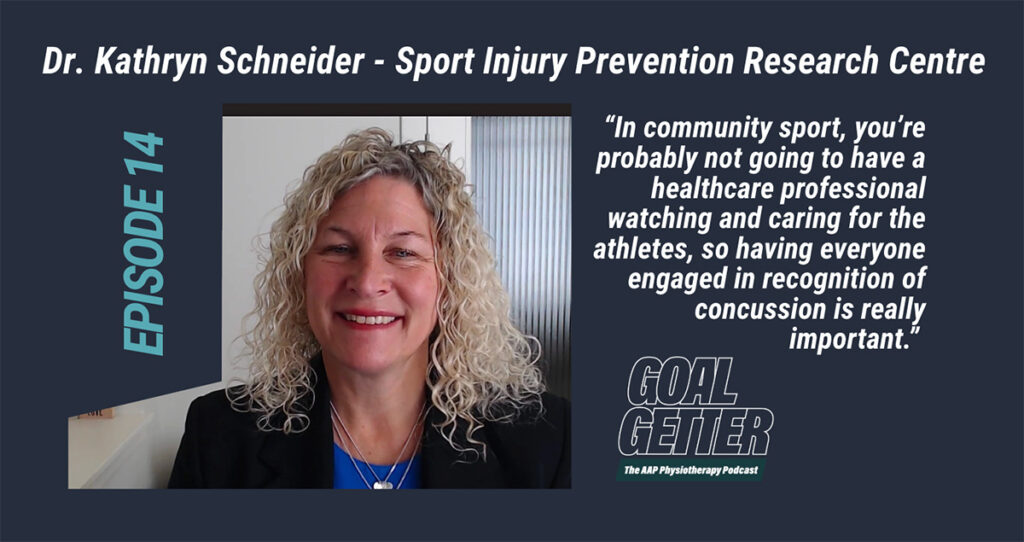
Momentum Health clinician Dr. Kathryn Schneider from our Evidence North location was recently featured on the Goal Getter Physiotherapy Podcast discussing concussion safety in community sports.
In Season 2, Episode 14: “Safety from the Sidelines: Concussions in Community Sports,” Dr. Schneider shares how updated recognition tools and active physiotherapy strategies are improving concussion care and helping athletes recover safely.
The episode also highlights how coaches, parents, and community members can play an important role in recognizing concussion symptoms and protecting athletes.
A Closer Look at Running Injuries
Plus: Tips for Preventing Them
Running is one of the more accessible forms of exercise, since it doesn’t require any special equipment beyond your running shoes. However, every step places forces of two to three times your body weight through your legs. Over thousands of steps, that load adds up.
Why Running Injuries Happen
Most running injuries develop when tissues are stressed beyond their capacity or ability to adapt. Even acute running-related injuries, like ankle sprains, become more likely if your tissues are overstressed.
So why do tissues become stressed in the first place? It has to do with how your body adapts to training. This is not an overnight process; it takes time for your body to build strength and endurance. However, when your training progresses faster than these adaptations, problems can arise. Some common contributing factors include:
- Sudden increases in mileage or speed
- Inadequate recovery
- Muscle weakness and imbalance
- Biomechanical issues, such as limited ankle mobility or altered stride mechanics
- Previous injuries that altered movement patterns and reduced tissue resilience.

Simple Ways to Reduce Injury Risk
Progress Gradually
Increase weekly mileage by about 10% or less.
Vary Intensity
Mix easy runs with harder efforts and avoid back-to-back high-intensity days. Don’t forget to schedule dedicated rest days, too.
Build Strength
Strong muscles absorb force and reduce strain on joints, so make sure to strength train 2-3 times a week. Focus on hips, calves, and core.
Address Pain Early
Persistent discomfort is a signal that something’s wrong, not something you have to push through. Our team can assess your movement and help you build a plan that supports strong, efficient running.
We’re Here to Help
Running injuries are common, but they’re also preventable. A thoughtful plan and early support from Momentum Health can keep you active and consistent. Schedule an appointment today to learn more.
Schedule Your Appointment Today!
If you’re ready to make meaningful changes that actually last, scheduling an appointment with Momentum Health is the perfect place to start. Our team is here to help you move better, feel stronger, and build healthier habits all year long.
Healthy Recipe: Pre-Run Banana Peanut Butter Energy Bites
These no-bake energy bites are quick to make, easy to digest, and perfect for fueling up before a run. They provide a balance of carbohydrates for quick energy and healthy fats to help you feel satisfied without weighing you down.
Ingredients:
- 2 ripe bananas, mashed (about 240 g)
- 250 g natural peanut butter
- 180 g rolled oats
- 15 mL maple syrup or honey
- 5 mL vanilla extract
- 2.5 mL ground cinnamon
- Pinch of salt

Instructions:
- In a large bowl, mash the bananas until smooth.
- Add the peanut butter, maple syrup or honey, and vanilla extract. Stir until well combined.
- Mix in the rolled oats, cinnamon, and salt until evenly incorporated.
- Refrigerate the mixture for 20–30 minutes to firm up slightly.
- Roll into bite-sized balls, approximately 20–25 g each.
- Store in an airtight container in the refrigerator for up to 5 days.
How to Enjoy
Have 1–2 energy bites about 30–60 minutes before your run for a quick, natural boost of energy. They also make a great post-run snack when paired with a glass of milk or yogurt.