


Passion for the Game: The Work You Don’t Always See
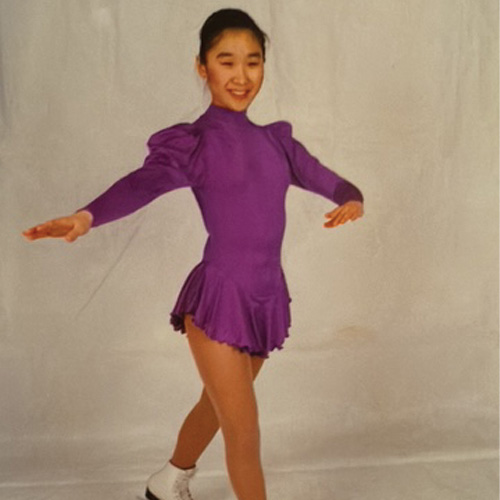
Karen Oura as a child
Written by Meaghan Shewchuk, and Karen Oura
In Canada, figure skating is part of our cultural fabric. Early mornings. Cold rinks. Countless repetitions of the same movement until it’s right. What most people see is the performance: the jumps, the speed, the clean landings. What you don’t always see is the preparation behind it.
That same principle shows up every day in your care.
Before a skater ever attempts a triple axel, there are years of edge work, strength training, coaching feedback, and recovery. Progress is built on patience, technical skill, and trust in the process, not shortcuts. And that mindset is one many of our team members at Momentum Health know firsthand.

Passion Looks Like Consistency
Passion for a sport isn’t just excitement on competition day. It’s showing up when progress feels slow. It’s respecting fundamentals. It’s listening to your body and adjusting when something isn’t right.
In healthcare, we see that same pattern. Recovery doesn’t happen in a single appointment. It happens through careful assessment, steady progress, and collaboration between clinicians, admin teams, and patients themselves. The best outcomes are earned through consistency, rather than flashy “tricks of the trade”.
That’s true whether you’re rehabbing a knee, returning to sport, or simply trying to move without pain again.
Precision, Trust, and the Long Game
Figure skating demands precision. Small details matter: alignment, timing, control. In physiotherapy, those same details can determine whether someone returns confidently to activity or keeps cycling through setbacks.
But precision alone isn’t enough. Skaters rely on coaches, trainers, and off-ice support to make performance possible. In a clinic setting, that support extends beyond the treatment room. Scheduling, communication, follow-up, and coordination all play a role in creating a smooth, supportive patient experience.
It’s work you don’t always notice, until it’s missing.
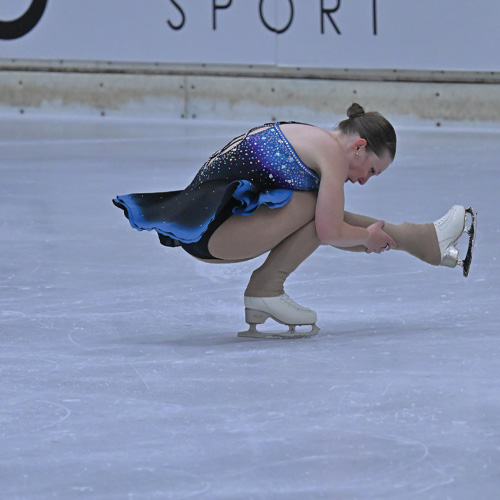
Meaghan Shewchuk on the ice
From the Rink to the Clinic
Several members of our team grew up immersed in figure skating, learning early what commitment to a craft really means. That background carries forward into how they approach patient care today: with respect for process, attention to detail, and an understanding that progress isn’t linear.
There may be one moment of visible success — a clean landing, a pain-free program, a return to daily life — but it’s supported by many quieter moments of preparation along the way.
That’s where passion shows up most clearly.
Clinician & Team Spotlight:
“Triple Axel” Moments



Behind every great performance is a team that understands preparation.
Meaghan Shewchuk brings a deep appreciation for what it takes to move well under pressure. With a background shaped by years of figure skating and supporting high-level athletes, Meaghan understands that performance is built on strong fundamentals, thoughtful progression, and respect for the body’s limits. As a physiotherapist, she brings that same mindset into her work with patients, blending precision, evidence-based care, and empathy to help people return to the activities that matter most to them. Whether someone is rehabbing an injury or rebuilding confidence in their movement, Meaghan’s approach reflects a steady belief in the process and the person doing the work.
Karen Oura is known for her calm, focused approach and attention to detail. Her experience in sport and movement has shaped a clinical style that values alignment, control, and efficiency, not just for performance, but for long-term health. Karen works closely with patients to understand how they move, where compensation shows up, and how small adjustments can lead to meaningful change. Her care is thoughtful and intentional, rooted in the idea that sustainable progress comes from understanding your body, not rushing it.
Jamie Tartamella represents the essential work that happens beyond the ice and beyond the treatment room. With her own background in figure skating, Jamie understands firsthand how preparation, organization, and trust create the conditions for success. As Momentum Health’s Operations Manager, she brings that same discipline and care to ensuring clinics run smoothly, communication stays clear, and patients feel supported from the moment they book to the moment they walk out the door. Her work may be less visible, but it’s foundational, creating the structure that allows clinicians to focus fully on care and patients to feel confident they’re in good hands.
Different roles. Same mindset. Commitment to the details that matter!
How Does Everyone Benefit When a Figure Skater Joins a Physiotherapy Clinic?
Why This Matters for Patients
When you walk into a clinic, it’s easy to focus on the immediate goal: less pain, better movement, faster recovery. But meaningful, lasting change is built the same way elite performance is, through thoughtful planning, skilled guidance, and steady work behind the scenes.
At Momentum Health, our clinicians and administrative team share a common mindset: respect the process, support the person, and stay committed to the long game. It may not always be visible, but it’s what allows you to move forward with confidence.
You could call it a love of the game, but more accurately, it’s a passion for doing the work well, even when no one is watching.

Schedule Your Appointment Today!
If you’re ready to make meaningful changes that actually last, scheduling an appointment with Momentum Health is the perfect place to start. Our team is here to help you move better, feel stronger, and build healthier habits all year long.
Tasty Recipe: Peppermint Hot Chocolate
A rich, creamy, and minty treat perfect for chilly evenings, holiday gatherings, or anytime you need a sweet pick-me-up.
Ingredients:
- 4 cups (1 L) milk (dairy or plant-based)
- 1/2 cup (120 ml) heavy cream (optional, for extra creaminess)
- 1/2 cup (50 g) cocoa powder
- 1/2 cup (100 g) granulated sugar
- 1/2 teaspoon vanilla extract
- 1/4 teaspoon salt
- 1/2 teaspoon peppermint extract (adjust to taste)
- Whipped cream, for topping
- Crushed candy canes or chocolate shavings, for garnish

Instructions:
- Heat the milk: In a medium saucepan over medium heat, combine milk and heavy cream (if using). Heat until warm but not boiling.
- Mix cocoa and sugar: Whisk in cocoa powder, sugar, and salt until fully dissolved and smooth.
- Add flavoring: Stir in vanilla and peppermint extract. Taste and adjust peppermint as desired.
- Serve: Pour into mugs. Top with whipped cream and garnish with crushed candy canes or chocolate shavings.
Tips & Variations
- For a richer chocolate flavor, use dark chocolate chips melted into the milk mixture.
- Make it a vegan version using almond, oat, or soy milk and coconut whipped cream.
- Add a shot of espresso for a peppermint mocha twist.
- For a fun presentation, swirl peppermint syrup on top of the whipped cream.
Follow Us on Social Media!
Welcome to Our Newest Staff Members!
Roger Fulton Ogden Physiotherapist
Simon Smith Westbrook Kinesiologist
Afolakemi (Kemi) Ogunnusi Enyekwe Creekside Physiotherapist

Building Awareness for Repetitive Stress Injuries at Momentum Health
How Small Changes Can Lead to Meaningful Relief
February 28th is a day to raise awareness about repetitive strain injuries (RSI) and can remind us that everyday movement can add up!
As the name suggests, RSIs develop when the same movements are repeated over and over. This places stress on the muscles, tendons, and nerves, leading to a gradual development of symptoms such as pain, stiffness, or weakness.
While there are several examples of RSIs, one of the most common is carpal tunnel syndrome, a condition that affects the hand and wrist.

A Closer Look at Carpal Tunnel Syndrome
Carpal tunnel syndrome (CTS) affects the median nerve, which runs through a narrow structure in the wrist called the carpal tunnel. When that nerve becomes compressed, it leads to symptoms like:
- Tingling or numbness in the hand
- Wrist or forearm pain
- Weak grip or dropping objects
- Symptoms that worsen at night or with repeated tasks
Like all RSIs, carpal tunnel syndrome develops due to small, repetitive hand movements, particularly in jobs such as cashier work, hair styling, or food preparation. It’s also associated with prolonged typing or mouse usage, or underlying conditions like arthritis or diabetes. CTS affects approximately 3-4% of people and is most common between the ages of 40-60. If untreated, these symptoms can worsen and impact your ability to perform daily tasks.
How Our Team Can Help
The good news? The multidisciplinary team at Momentum Health offers several strategies for alleviating and preventing carpal tunnel syndrome symptoms, including:
- Hands-on manual therapy techniques to help reduce stiffness in the wrist, forearm, and surrounding joints
- Gentle exercises to improve wrist mobility, strength, and circulation while reducing nerve irritation, such as nerve glides
- Ergonomic assessments to suggest small changes in tool use to significantly reduce strain on the wrist
- Temporary wrist support from bracing or splinting to keep the joint in a neutral position, especially during sleep. The brace is designed to keep your wrist in a neutral position, particularly at night or during repetitive tasks, to protect the median nerve.
- Tips for pacing tasks and avoiding prolonged gripping or bending of the wrist

Don’t Ignore the Signs of Repetitive Strain Injuries!
RSI Awareness Day reminds us that even minor aches and pains shouldn’t go untreated. Early care for RSIs, including carpal tunnel syndrome, can make a big difference in your overall outcomes.
Schedule an appointment with our team today to discover how small adjustments can enhance your function and comfort.