


Winter Sports to Spring Activity: How to Make the Shift Safely

By Dr. Michael Siciak, DC
In Calgary, the shift from winter to spring happens fast. One week you’re squeezing in late-season ski days, the next you’re pulling your bike out of storage and thinking about longer rides, commutes, or early-morning training loops.
That excitement is well-earned, but it’s also the time of year when aches and injuries quietly show up. Most importantly, know that this is because your body is transitioning between very different demands.
Your Winter Body Is Not Your Spring Body
Winter sports like skiing, snowboarding, and skating build strength, balance, and power, but they do so in a specific way. Boots limit ankle motion. Movements are often lateral and reactive. Posture is more upright.
Cycling, on the other hand, is repetitive, forward-flexed, and endurance-based. It asks your hips, knees, spine, and shoulders to work in consistent patterns for long periods of time. When you move straight from winter activity into cycling without adjustment, those seasonal differences show up quickly.
That’s why spring is one of the most common times I see knee pain, low back discomfort, neck tension, and numbness in the hands or feet.
Common Signs the Transition Isn’t Smooth
Many riders dismiss early symptoms as “just getting back into it,” but these are often signals that something needs attention:
- Knee pain at the front or inside of the joint
- Tight hips or low back stiffness after rides
- Neck and shoulder tension during longer sessions
- Tingling or numbness in the hands or feet
These issues aren’t a reflection of fitness, they’re often a reflection of setup and load.
Why Bike Fit Matters More Than You Think
A proper bike fit isn’t about chasing marginal gains or racing performance. It’s about aligning your body with the demands you’re placing on it.
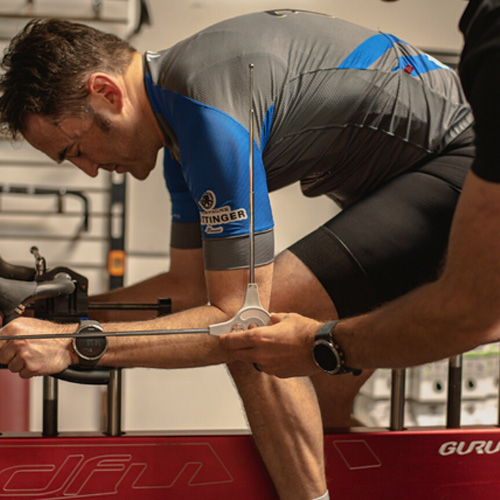
A comprehensive bike fit looks at:
- Joint alignment through the pedal stroke
- Saddle height and position
- Handlebar reach and control
- How your mobility, strength, and posture interact with your bike
When these factors are off, even small stresses on the body repeated thousands of times on rides can add up.
That’s why we work with partners like TCR Sport Lab, where we combine a clinical assessment with a data-driven fitting, ensuring your bike works with your body.

Making the Shift Intentionally
Spring is about momentum, with longer days, better weather, and renewed energy. The goal isn’t to hold back, but to transition with intention.
If you’re moving from winter sports into cycling, consider how your body has changed over the last few months. A bike fit can bridge that gap, helping you move safely from one season into the next.
Because the best seasons aren’t just active — they’re sustainable.
Clinician Spotlight:
Dr. Michael Siciak
Dr. Michael Siciak is a chiropractor at Momentum Health National Spine & Wellness whose approach to care is shaped by both clinical training and firsthand experience in sport. With experience in CrossFit and soccer, Dr. Mike understands the physical demands athletes place on their bodies, from high-load lifting and repetitive training to sprinting, cutting, and return-to-play challenges.
Dr. Mike graduated from the Canadian Memorial Chiropractic College and provides individualized, hands-on care for a wide range of neuromusculoskeletal conditions. His treatment approach may include spinal and extremity manipulation, joint mobilization, myofascial therapy, dry needling, electroacupuncture, therapeutic taping, targeted exercise, and education, based on patient needs and goals.
In addition to treating sports-related injuries, Dr. Mike has developed focused training in vestibular rehabilitation and concussion-related care. He works with patients experiencing dizziness, balance challenges, and post-concussion symptoms, helping them regain confidence in movement and return to daily activities safely.
Dr. Mike is passionate about helping people move better, train smarter, and feel more confident in their bodies, whether they’re competitive athletes or simply trying to stay active and pain-free.
Bike Fitting in Calgary, AB
Follow Us on Social Media!
Welcome to Our Newest Staff Members!
Phi Nguyen | Deerfoot | RMT
Amrit Dhaliwal | Deerfoot | PT
Eric Rattai | Mahogany | Kinesiologist

Community Corner:
Bike Fit for a Better Ride
With spring around the corner in Calgary, more riders are dusting off their bikes and getting ready to hit the pathways. Whether you’re training for distance rides, commuting downtown, or enjoying family rides along the Bow River, proper bike fit can make all the difference in comfort, performance, and injury prevention.
Our friends at TCR Sport Lab specialize in professional bike fitting and sizing to help riders improve posture, reduce strain on the knees, hips, neck, and back, and maximize efficiency on every ride. A proper fit considers saddle height, reach, handlebar position, and overall alignment so your body moves smoothly and powerfully on the bike.
At Momentum Health, we love supporting Calgarians to be active. The Bike Fit is an example of our collaborative programming. You can use your chiropractic benefits to pay for a portion of (or in some cases all) costs of your Bike Fit as a combined TCR & Momentum Health National Spine and Wellness program! We’re here to help make sure your body is ready for the cycling season. Who do you know that could benefit from our physiotherapy, chiropractic, and massage therapy teams?
Schedule Your Appointment Today!
If you’re ready to make meaningful changes that actually last, scheduling an appointment with Momentum Health is the perfect place to start. Our team is here to help you move better, feel stronger, and build healthier habits all year long.
Protein-Packed Irish Soda Bread
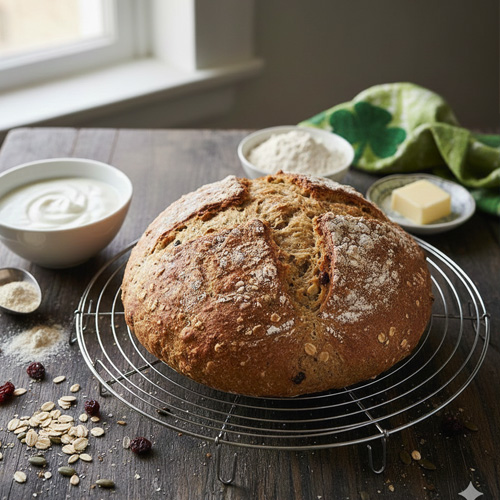
A classic Irish soda bread is known for its simplicity, but this protein-packed version adds a modern, nourishing twist without losing that classic comfort. Made with Greek yogurt and cottage cheese, this loaf delivers extra protein to help keep you fuller longer while still baking up tender on the inside with a golden, rustic crust. With no yeast and minimal prep, it’s an easy, wholesome bread that fits perfectly into an active lifestyle, whether you’re enjoying it fresh from the oven on St. Patrick’s Day or slicing it up for quick breakfasts and hearty meals all week long.
Ingredients:
- 240 g whole wheat flour
- 250 g plain Greek yogurt
- 225 g low-fat cottage cheese, blended until smooth
- 5 mL baking soda
- 5 mL salt
- 15 mL honey or maple syrup
- 15 mL olive oil
- 15 to 30 mL milk or water, as needed
Instructions:
- Preheat oven to 200°C. Line a baking sheet with parchment paper.
- In a large bowl, whisk together the flour, baking soda, and salt.
- Add the Greek yogurt, blended cottage cheese, honey or maple syrup, and olive oil. Stir until a soft, slightly sticky dough forms. Add milk or water a little at a time if needed.
- Turn the dough out onto a lightly floured surface and gently shape into a round loaf. Avoid overworking the dough to keep the bread tender.
- Transfer to the prepared baking sheet and use a sharp knife to score a deep cross on the top.
- Bake for 35 to 40 minutes, until the loaf is golden brown and sounds hollow when tapped on the bottom.
- Let cool for at least 10 minutes before slicing.