


Bridging Mind & Body: Why Recovery Is About More Than Healing Pain

By Jay Thatcher
When people think about recovery, they often think about pain first.
Has it improved? Is movement easier? Can you get through the day more comfortably?
Those things matter. But in my work as an Occupational Therapist, I’ve learned that recovery is often about something deeper: returning to the parts of life that make you feel like yourself again.
Sometimes pain improves long before confidence does. Sometimes the body heals, but daily life still feels difficult to manage. That’s where occupational therapy can help bridge the gap between physical recovery and real-life function.
Recovery Is More Than Symptoms
After an injury, illness, or period of burnout, many people expect things to “go back to normal” quickly. But healing rarely works that way.
You might notice:
- Fatigue that makes simple tasks feel overwhelming
- Difficulty concentrating or staying organized
- Hesitation returning to work, exercise, or social activities
- Frustration that your body or mind doesn’t feel as reliable as it used to
These experiences are more common than people realize — especially after concussions, chronic pain, workplace injuries, or periods of high stress.
The challenge is that recovery doesn’t happen in isolation. Your body, thoughts, routines, and environment all affect each other. When one piece changes, everything else has to adapt too.
What Occupational Therapy Really Focuses On
Occupational therapy is centered around function — the activities that fill your day and give your life structure and meaning.
That could mean:
- Returning to work confidently
- Managing energy throughout the day
- Rebuilding routines after injury or illness
- Improving focus and organization
- Finding ways to participate in hobbies, parenting, exercise, or social life again
The goal isn’t just to help you heal. It’s to help you reconnect with the things that matter to you.
Sometimes that means modifying activities temporarily. Sometimes it means building new strategies or pacing techniques. And sometimes it means recognizing that progress doesn’t always happen in a straight line.
Bridging Mind and Body
One of the most important parts of occupational therapy is recognizing that physical and mental recovery are closely connected.
When pain limits movement, it can affect mood, confidence, and motivation. At the same time, stress, fatigue, and cognitive overload can make physical symptoms harder to manage. That connection works both ways.
As people regain structure, confidence, and meaningful activity, physical recovery often becomes more sustainable too. Small wins matter! Whether that’s completing a workday with less fatigue, getting back to gardening, or feeling comfortable participating in family activities again.

Renewal Doesn’t Always Look Dramatic
Summer often highlights the activities people miss most: getting outside, travelling, biking with family, spending time in the garden, or returning to routines that feel grounding.
But renewal doesn’t always come from a dramatic transformation. More often, it comes from steady progress and realistic support.
One of the most rewarding parts of my role is helping people recognize that recovery doesn’t have to mean “pushing through.” It can mean learning how to work with your body and mind more effectively, understanding your limits without feeling defined by them, and rebuilding confidence over time.

Returning to What Matters
Everyone’s version of recovery looks different. For some people, it’s returning to sport. For others, it’s being able to focus through a workday, keep up with family responsibilities, or simply feel more present in everyday life.
Whatever that looks like for you, recovery should support more than symptom reduction. It should help you return to meaningful activity in a way that feels sustainable.
Because healing isn’t just about feeling better.
It’s about reconnecting with your life.

Clinician Spotlight: Jay Thatcher, OT
Jay Thatcher works with patients navigating the often-overlooked space between physical recovery and everyday life. His approach to occupational therapy focuses on helping people return to meaningful activity, whether that means work, hobbies, family responsibilities, or simply feeling more capable in daily routines.
Jay understands that recovery is rarely just physical. Fatigue, stress, cognitive overload, and changes in confidence can all affect how people function after injury or illness. He works collaboratively with patients to develop practical strategies that support both mental and physical wellbeing, helping recovery feel more manageable and sustainable over time.
Patients appreciate Jay’s calm, thoughtful approach and his ability to meet people where they are. His goal is never just symptom management, but rather it’s about helping people rebuild confidence in the activities that matter most to them.
Follow Us on Social Media!
Welcome to Our Newest Staff Members!
Callum McKay | Westbrook | Kinesiologist
Sidrah Atif | Creekside | Physiotherapist
Albert Bako | Westbrook | Physiotherapist


Community Corner: Stampede Breakfast
Join the team at Momentum Health Ogden for a morning of Stampede spirit, pancakes, and community fun at our annual Pancake Breakfast! Bring your family, friends, and appetite as we celebrate one of Calgary’s favourite traditions with fresh pancakes, great company, and western hospitality.
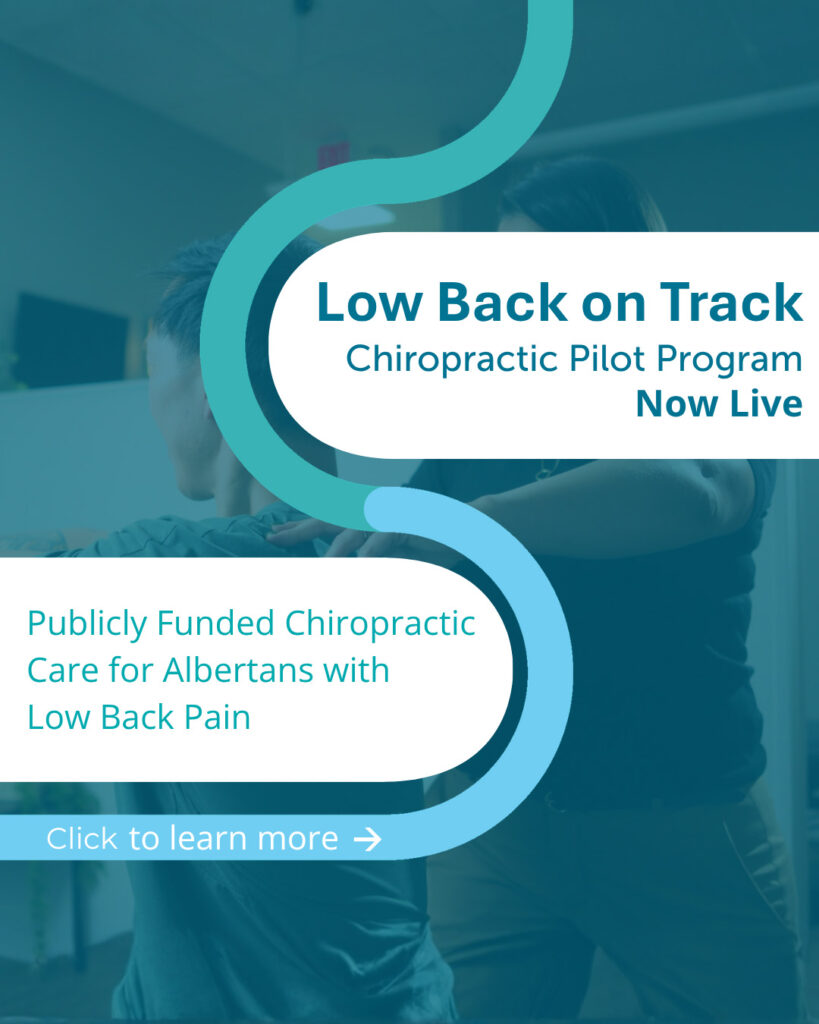
Chiropractic Pilot Program. Now Live!
The Low Back on Track pilot program is now live in northwest Calgary and Red Deer.
This publicly funded program gives eligible adults up to eight chiropractic visits over 90 days at no cost, helping people access early, evidence‑based care for persistent or recurring low back pain.
If you or someone you know has been struggling with low back pain, this program may be a great fit.

Throwback Thursday:
Tips to Stay Injury Free During Gardening Season
Momentum’s own Carlee Anderson joins Global News Morning Calgary
with some tips on how to stay injury-free during the gardening season.
How We Help You Stay Steady on Your Feet
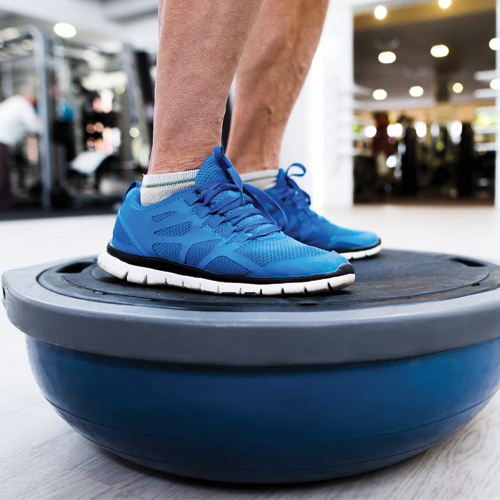
A Multidisciplinary Approach to Addressing Concerns with Balance and Dizziness
Do you ever deal with unsteadiness or a sense of the world spinning anytime you turn your head? Dizziness, vertigo, and balance concerns can disrupt even simple daily tasks and leave you feeling uncertain about what to do next.
Fortunately, you don’t have to navigate these challenges on your own. At Momentum Health, our multidisciplinary team approaches these symptoms with a comprehensive plan. We work with you to identify the source of your challenges, restore confidence in movement, and help you get back to day-to-day life.
Understanding Dizziness and Balance Challenges
Dizziness is a broad term that can describe lightheadedness or a general sense of unsteadiness. Vertigo is a specific type of dizziness that causes a spinning sensation. Both of these issues can lead to balance problems that make it harder to walk, turn, or change positions.
Dizziness often develops due to dysfunction in the vestibular system–specifically, the part of the vestibular system located in your inner ear, which helps your brain detect head movement and maintain balance. When it is disrupted, signals to the brain become inaccurate, leading to spinning or disorientation.
There are several potential reasons why your vestibular system might become disrupted, including:
- Benign paroxysmal positional vertigo (BPPV), in which small crystals in the inner ear shift out of place
- Meniere’s disease, which causes the inner ear to become filled with fluid
- Concussions, which can affect how the brain processes visual and balance information
In some cases, dizziness can develop due to stiffness or dysfunction in the cervical spine (that is, your neck), often after an injury such as whiplash. In fact, it’s not uncommon for multiple systems to be involved in dizziness-related balance challenges. The inner ear, vision, muscles, and brain all work together to keep you steady. When even one part is off, balance can feel unreliable.
That’s why a multidisciplinary approach can be so beneficial for addressing these concerns.
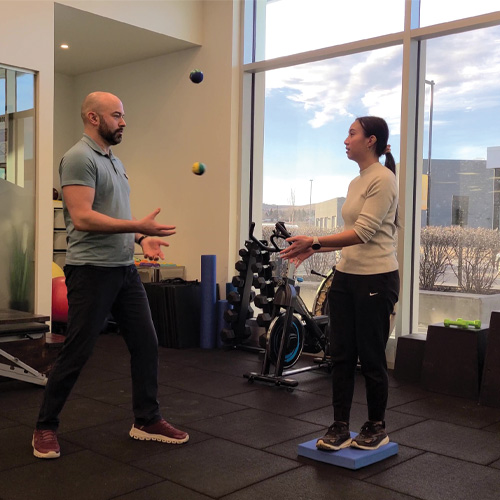
A Closer Look at How Momentum Health Tackles Dizziness
Our first step is to determine the specific reason for your balance challenges. That way, our different clinicians can determine the best way to address your concerns. Often, treatment plans combine several strategies.
Vestibular Physiotherapy
This is a core service for the management of dizziness and vertigo. It focuses on retraining the inner ear and brain through targeted techniques such as:
-The Epley maneuver (canalith repositioning), which treats BPPV by guiding displaced crystals back into place
-Gaze stabilization exercises to improve eye and head coordination, helping reduce blurred vision with movement
-Habituation exercises to gradually expose you to movements that trigger symptoms, allowing the brain to adapt
Therapeutic Exercise
Targeted exercise is central to recovery, particularly if you’re dealing with muscle weakness. We create personalized, progressive programs designed to reduce your fall risk and improve daily function.
Typically, we’ll recommend strength training to improve hip and core stability. We’ll also guide you through balance exercises that challenge the body in a controlled way to rebuild confidence.
Chiropractic Care
If the neck is a contributing factor, chiropractic adjustments can enhance neck movement, helping reduce dizziness symptoms. We might also use soft-tissue techniques to reduce stiffness in the surrounding muscles, ligaments, and tendons. Strategies to improve postural habits also support long-term symptom control.
Concussion and Neurological Rehabilitation
We also offer specialized care for anyone recovering from a concussion or other neurological conditions.
This therapy focuses on restoring coordination between the visual, vestibular, and nervous systems. It generally involves controlled exposure to movement and visual stimuli to improve tolerance. Often, we combine cognitive and physical strategies to support recovery.
Education and Self-Management
Understanding your symptoms is the real key to long-term progress. We’ll provide a clear explanation of your condition to reduce fear and uncertainty, as well as guidance on energy conservation and pacing activities to help prevent flare-ups.
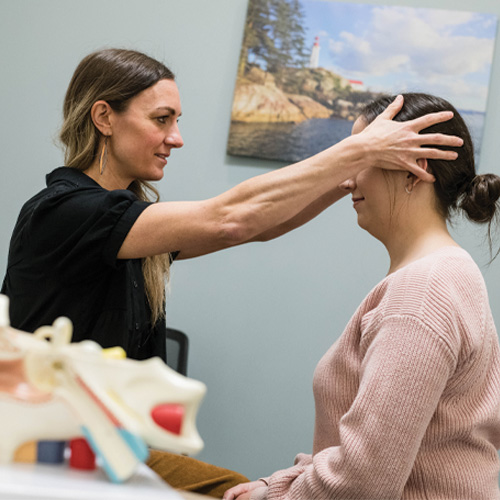
Helping You Feel Grounded Again
Balance and dizziness concerns rarely have a single cause. A coordinated approach allows each contributing factor to be addressed in a way that supports steady, measurable improvement. Our goal is to help you move with confidence, reduce symptoms, and return to the activities that matter most.
If dizziness or balance issues are affecting your day-to-day life, early assessment can make a meaningful difference. Schedule an appointment with Momentum Health to get started.
Schedule Your Appointment Today!
If you’re ready to make meaningful changes that actually last, scheduling an appointment with Momentum Health is the perfect place to start. Our team is here to help you move better, feel stronger, and build healthier habits all year long.
Healthy Recipe: Strawberry Spinach Salad with Grilled Salmon
This salad delivers lean protein, healthy fats, and antioxidants—supporting muscle repair, reducing inflammation, and helping you stay energized for all your summer activities.
Ingredients: (serves 2-3)
For the salad:
- 4–5 cups fresh baby spinach
- 1½ cups fresh strawberries, sliced
- ½ avocado, sliced
- ¼ cup red onion, thinly sliced
- ¼ cup crumbled feta cheese (optional)
- ¼ cup toasted pecans or walnuts (optional, omit if needed)

For the salmon:
- 2 salmon fillets (about 5–6 oz each)
- 1 tbsp olive oil
- Salt and pepper, to taste
- 1 tsp garlic powder
- 1 tsp paprika
- Juice of ½ lemon
For the dressing:
- 3 tbsp olive oil
- 1 tbsp balsamic vinegar
- 1 tsp honey (or maple syrup)
- 1 tsp Dijon mustard
- Salt and pepper, to taste
How to Assemble
1. Prepare the salmon:
Pat salmon dry and brush with olive oil. Season with salt, pepper, garlic powder, and paprika. Squeeze fresh lemon juice over top.
2. Grill the salmon:
Preheat grill (or grill pan) to medium-high heat. Cook salmon for 4–5 minutes per side, or until it flakes easily with a fork. Remove and let rest.
3. Make the dressing:
Whisk together olive oil, balsamic vinegar, honey, Dijon mustard, salt, and pepper until well combined.
4. Build the salad:
In a large bowl, combine spinach, strawberries, avocado, red onion, and feta.
5. Assemble:
Place grilled salmon on top of the salad. Drizzle with dressing and gently toss or serve as is.
Tips & Variations
- Swap salmon for grilled shrimp or tofu for variety
- Add quinoa for extra protein and staying power
- Use a citrus vinaigrette instead of balsamic for a lighter summer flavour
- Keep dressing separate if packing for a hike or picnic