


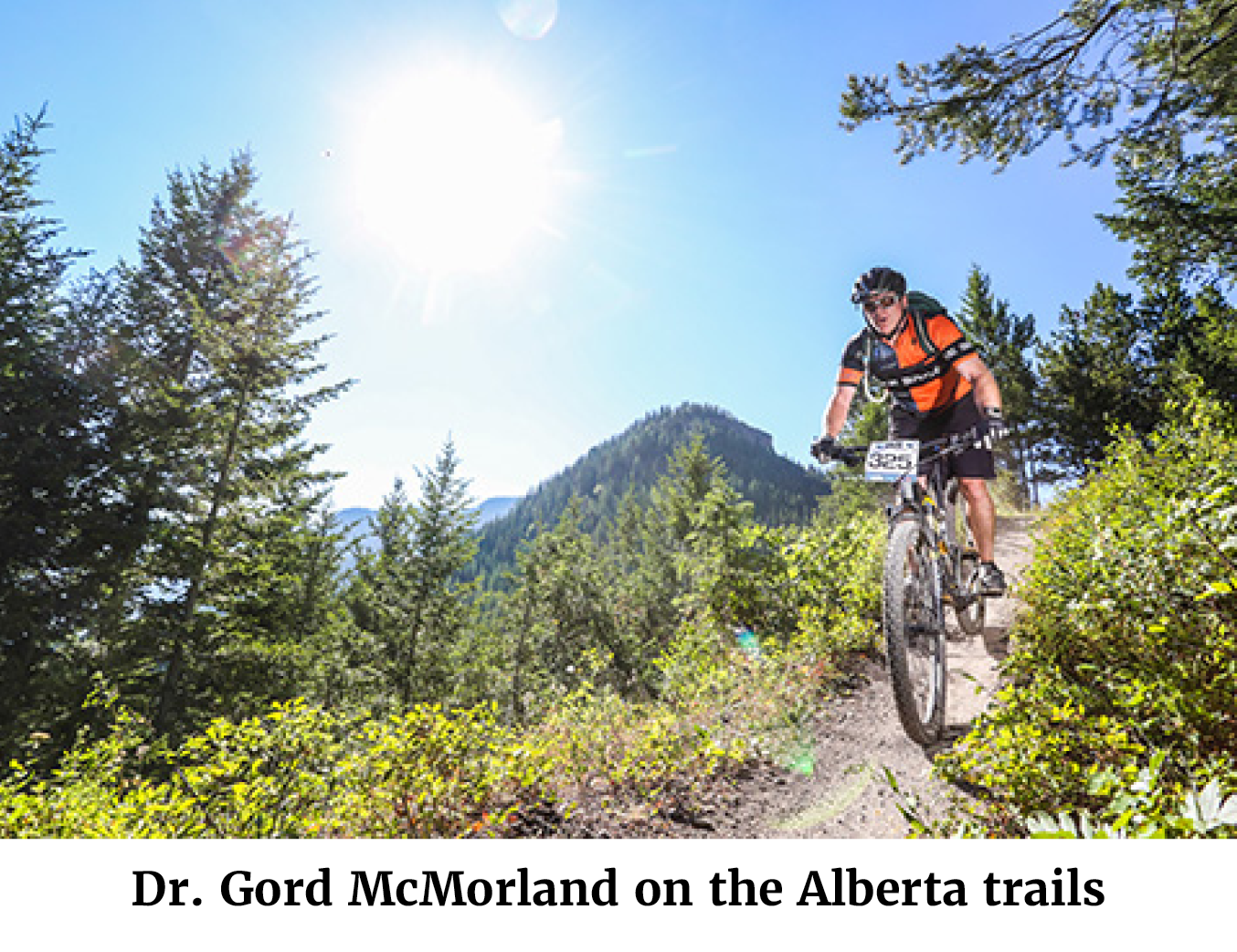
Don’t Let a Cycling Injury Keep You Off the Bike Trails
By Dr. Gord McMorland
To quote Freddie Mercury: “Get on your bikes and ride!”
As passionate cyclists, we know there’s nothing quite like the feeling of the wind in your hair, the thrill of the open road, and the satisfaction of conquering a challenging route. However, cycling, like any sport, comes with its own set of potential injuries. Being aware of these common injuries and knowing how to prevent them can keep us off the treatment table and on our bikes.
At Momentum Health, we’re dedicated to helping you stay healthy and active–and that means preventing injuries as much as it means treating them. Whether you’re an avid cyclist, weekend warrior or just like getting out on the pathways going for coffee, our clinicians can help you prevent common cycling injuries, including overuse-type injuries that you may not have considered.
Let’s dive into some of the most frequent cycling injuries and how to avoid them. We will also chat about what our multidisciplinary clinic can do to help keep you safe and injury-free–whether you’re a seasoned cyclist or just getting started!
Common Cycling Injuries and How to Prevent Them
Most anyone who rides a bike understands basic safety precautions, such as wearing a helmet and keeping an eye out for traffic if they’re sharing the road with vehicles. Gravel and Mountain bikers need to be mindful to watch out for loose, unpredictable terrain. Poor traction in gravel or navigating the technical aspects of roots, rocks, massive rock drops and features all present opportunities where gravity wins and you lose. These precautions can help prevent severe injuries, such as concussions or broken bones.
Hours in the saddle with thousands of pedal strokes is a recipe for repetitive strain, which, if left unchecked, can build up to create injuries like muscle strain or tendonitis. While these injuries won’t land you in a hospital, they can cause pain and mobility restrictions and keep you from staying active.
1. Knee Pain
Knee pain is a prevalent issue among cyclists. Common symptoms include pain around the kneecap or sides of the knee. You can experience discomfort during or after the ride, swelling, clicking or popping sensations in the knee or reduced range of motion. Causes can include overuse, muscle imbalance, improper bike fit, incorrect riding technique or underlying biomechanical problems in the low back, hips, knee and/or foot and ankle. The repetitive motion of pedalling can strain the knee joint, leading to pain and inflammation. Muscular imbalances occur when one group of muscles is weaker than it should be–which causes the surrounding muscles to pick up the slack. This puts extra strain on those harder-working muscles, increasing your risk of injury. Muscle imbalance can also cause joints to move improperly which creates strain.
Prevention Tips:
- Bike Fit: Ensure your bike is properly fitted to your body. This includes the saddle height, saddle position, and handlebar position. A professional bike fitting can make a world of difference. We joined forces with TCR Sport Lab to combine a biomechanical analysis of your body with the DynamicFitUnit (DFU) Bike Fitting system to ensure a custom fit for your specific cycling needs. You can find out a bit more about bike fit here.
- Pedalling Technique: Focus on a smooth, circular pedalling motion rather than pushing down hard on the pedals. There are many different tricks and thoughts cyclists use to improve their pedalling:
- Ankling: A term that refers to allowing more movement in the ankles to gain the advantage of recruiting your lower leg muscles.
- Use all your muscles: It is easy to be quad-dominant when pedaling. Using only your quadriceps (front of the thigh) muscles is inefficient and can create enormous knee strain. Getting your glutes and hamstrings involved takes a bit of practice. Many cyclists think about dropping their heels on the downstroke, wiping the bottom of the foot on a doormat to move your foot through the bottom, and then pulling back up on the pedals on the upstroke and over the top. This spreads the work around all the muscles of the hips and legs which is much more efficient than quad-dominant pedalling. Quick ways to check your pedal stroke technique are single-leg drills and looking for dead spots in your pedal stroke (areas where the pressure comes off the pedal).
- Strength Training: Incorporate strength training exercises for your quadriceps, hamstrings, calves and glutes to support your knees. A mistake we often see is cyclists focus mainly on building their leg strength, however a well-rounded routine would include core stability and upper body strength training. Having a strong upper body and core improves your bike handling as well as your resilience associated with the pounding that can occur if your cycling takes you off road. Off-season should be where you try to gain strength, but it is very important to maintain strength during the riding season by keeping one or two strength sessions per week in your schedule.
- Rolling and Stretching: Releasing the tension and working the knots out of those hard-working muscles helps recovery. Regularly stretch your hip flexors, hamstrings, and lower back muscles to maintain flexibility.
- Dynamic Warm-up: Prep your body to ride by doing this simple warm-up before your ride.
2. Lower Back Pain
Lower back pain is another common complaint among cyclists. Spending long hours in a hunched-over position can strain the lower back muscles and spine.
Prevention Tips:
- Core Strengthening: A strong core supports your lower back. Include exercises like planks, bridges, and leg raises in your routine. Engaging your core muscles reduces excess movement in the low back and pelvis. Not only does this reduce strain in the back but also improves your pedalling efficiency because your legs have something to push against.
- Hip Mobility: Your body compensates for limited mobility in your hips by increasing movement in either your knees or low back.
- Stretching: Regularly stretch your hip flexors, hamstrings, and lower back muscles to maintain flexibility.
- Proper Bike Fit: Again, a proper bike fit is crucial. Getting your X’s and Y’s dialed in means more comfort and better efficiency. X and Y is code for distance and height of the saddle relative to the handlebars and the distance from the bottom bracket to the top of the saddle. More subtle adjustments like crank lengths, handlebar width, etc. can all be fine-tuned to pimp your ride!
3. Neck and Shoulder Pain
Prolonged periods of looking up while riding can lead to neck and shoulder pain. This is often due to poor posture or an ill-fitting bike. It can also be a warning sign that you may have an undiagnosed weak neck.
Prevention Tips:
- Bike fit (notice a recurring theme?): Your handlebars should be at a height that allows you to keep your head and neck in a neutral position.
- Posture: Focus on maintaining a relaxed, upright posture. Avoid locking your elbows and keep your shoulders relaxed. Proper bike posture means you should have very little pressure on the handle bars.
- Neck Exercises: Strengthening and stretching the neck muscles can help. Try exercises like chin tucks and shoulder shrugs. Sometimes strengthening your neck can be tricky to get right on your own, which is why we use the Multicervical Unit (MCU aka “Neck Machine”) to diagnose and rehab neck weakness.
4. Wrist and Hand Pain
Cyclists often experience pain or numbness in their wrists and hands due to prolonged pressure on the handlebars.
Prevention Tips:
- Bike Fit: Ensure your handlebars are at the correct height and angle. Consider using bar tape for extra cushioning.
- Hand Position: Frequently change your hand position on the handlebars to distribute pressure evenly.
- Padded Gloves: Use padded cycling gloves to cushion your hands and reduce vibration.
- Weak Core: Your core stability should allow you to comfortably maintain your posture on the bike so that your hands have very little pressure on the bars.
Try this trick. While you are pedalling along, try to unweight your hands on the bars as you continue to pedal. Don’t cheat by stopping your pedalling and using your feet to help brace. If you struggle to get your hands off the bars, it is a sign that your core might not be strong or stable enough, or your bike fit needs tweaking.
5. Saddle Sores
Saddle sores are painful skin irritations caused by friction and pressure from the bike saddle. They can be particularly troublesome on long rides.
Prevention Tips:
- Proper Saddle: Choose a saddle that suits your body shape and riding style. A saddle that’s too narrow or too wide can cause friction.
- Cycling Shorts: Invest in high-quality, padded cycling shorts. Avoid wearing underwear with your cycling shorts as it can increase friction.
- Hygiene: Keep the area clean and dry. Use chamois cream to reduce friction and prevent sores.
Oh ya…and bike fit (again): Saddle height, tilt and distance from the bars all affect your positioning. Being in the wrong position can result in excessive movement on the saddle, causing friction.
How Can We Help Cyclists Prevent Injuries?
The best way to prevent a cycling injury is to understand your injury risk. And the best way to do that is to schedule an appointment at Momentum Health. Our clinicians will conduct a comprehensive assessment that includes a full health history, simple movement screening, strength, mobility, and biomechanical testing. Did we mention bike fit? We can also look at your bike itself to assess your saddle height, saddle position, foot placement, and more. Partnering with the professional bike fitting service offered at TCR Sport Lab is a powerful one-two combo…plus you may be able to claim part or all of the Assessment/bike fit through your benefit plan or health spending account.
We’ll then use this information to pinpoint any issues that might cause an injury and provide a personalized care plan to address them before they become a problem. For example, we can help address muscular imbalances through targeted exercises and provide in-depth biomechanical corrections to improve how you ride your bike. (As a bonus, this will probably help boost your performance, too)!
Ready to get your bike fitted? Schedule an appointment with TCR Sports Lab to get started!
Schedule An Appointment Today To Get Started
Momentum Health’s multidisciplinary team of Physiotherapists, Chiropractors, and Massage Therapists are here to help you avoid cycling injuries of all types. We’re also here if you do suffer an injury and can guide you through every step of the rehabilitation process.
Schedule your appointment for an initial assessment today. See you on the roads, bike paths, and trails!
Ready to Feel Better? Start Your Journey Here!
Return to Momentum Health and Let’s Continue Your Journey to Wellness Together. Schedule Your Appointment Now!
Pedal Prep: Dr. Gord’s Essential Warmup for Cyclists
As summer continues, cycling enthusiasts are hitting the trails and roads in full force. To help you ride safely and effectively, Momentum Health is excited to feature a special warmup video by Dr. Gord in this month’s newsletter. Dr. Gord’s expertise in Sport Medicine ensures that you’ll receive top-notch guidance on preparing your body for optimal performance and injury prevention. Whether you’re a seasoned cyclist or just starting, this warmup exercise will enhance your ride and keep you in peak condition. Don’t miss this essential warmup designed to get you moving and enjoying every moment on your bike!
Nothing beats a proper warm-up. Watch this video for a simple, quick dynamic warm-up before jumping on your bike.
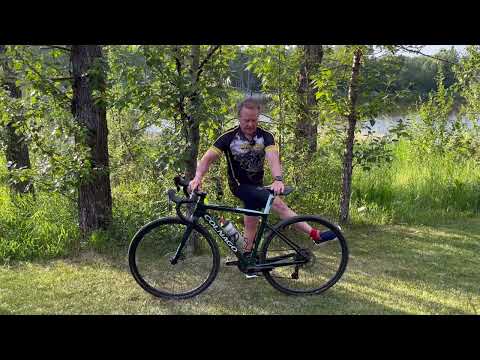
Cycling Dynamic Warm Up
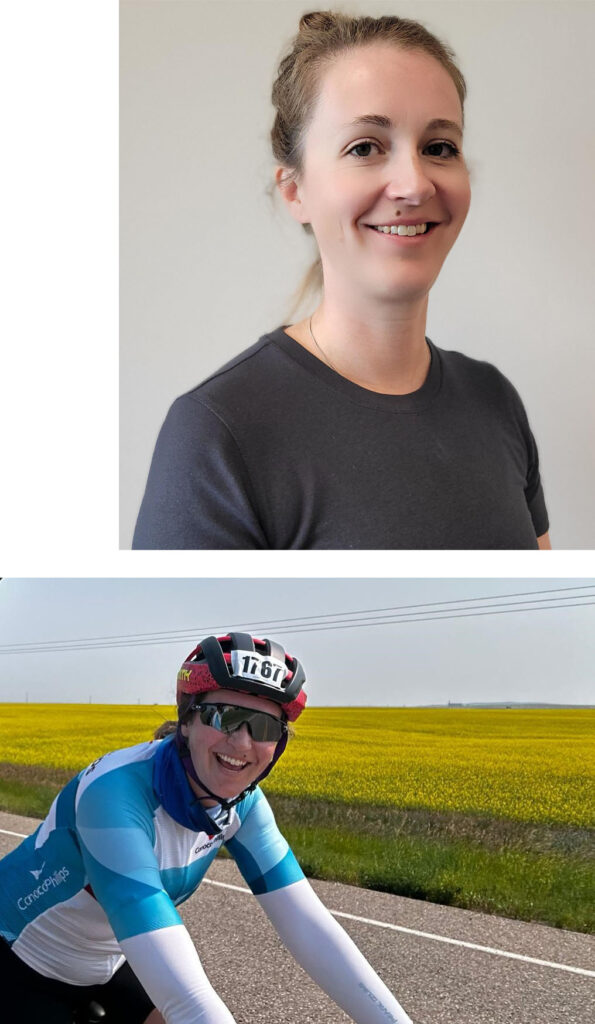
Clinician Spotlight: Kirsten Taylor
Celebrating Kirsten’s Participation in the Enbridge Tour Alberta for Cancer
Today, we want to celebrate Kirsten Taylor, a physiotherapist at our Westbrook and Evidence North locations! Kirsten recently participated in the 2024 Enbridge Tour Alberta for Cancer, a fundraiser for the Alberta Cancer Foundation.
While Kirsten is a longtime cyclist, this was her first fundraising ride–and it was one that was close to her heart. Kirsten’s mother, Dr. Carol Boyle, passed away from renal cell carcinoma in 2014. For years, her mom, a neurologist, participated in bike tours to raise money for multiple sclerosis research. Participating in the Enbridge Tour was Kirsten’s way of honouring her mom’s memory by carrying on that tradition.
Kirsten’s ride took place over two days and covered over 100 kilometers–and she knocked it out of the park! The ride began and ended at the Strathmore Stampede grounds and took Kirsten on a tour of the gorgeous Alberta countryside.
Most importantly, however, Kirsten raised over $5,000 for the Alberta Cancer Foundation. That money will support Albertans living with cancer and work towards finding a cure.
Congratulations to Kirsten for completing the tour and her phenomenal fundraising efforts!
Community Corner: The TransRockies Gran Fondo Badlands
For most Albertans, the beauty of the Gran Fondo Badlands in Drumheller, AB, is synonymous with prehistory. Whether that’s a visit to the world-famous Tyrell museum or a hike through the hoodoos in Horseshoe Canyon, visiting the Badlands is a bit like going back in time to a homegrown version of Jurassic Park.
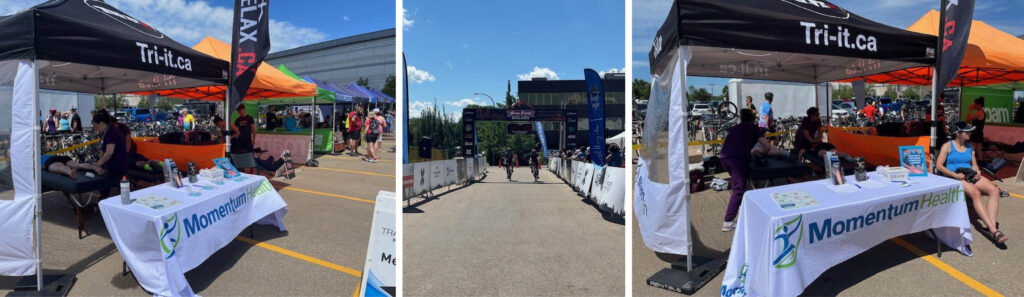
But on July 5th, our own Dr. Gord McMorland experienced the Badlands a bit differently. He participated in the 2024 Gran Fondo Badlands, part of the TransRockies race series–and a few members of the Momentum Health National Spine & Wellness team came along to cheer him on!
The Gran Fondo offers four races ranging from 50 to 163 km. All of them wind through the heart of the hoodoos and the Red Deer River valley, providing Dr. McMorland and the other cyclists with a unique opportunity to experience the dramatic scenery of the Badlands.
Given the intense commitment this kind of ride necessitates, Mera Reyes, our massage therapist, and massage student Tara Boyd also set up a tent to provide some additional help for race participants.
We love helping Albertans, serving our community, and supporting events like the Gran Fondo. Call our clinic to find out how we can help you!
Pedal Power Bars
Ingredients
- 1 cup rolled oats
- 1/2 cup almond butter
- 1/4 cup honey
- 1/4 cup chopped almonds
- 1/4 cup dried cranberries
- 1/4 cup dark chocolate chips
- 1 tbsp chia seeds
- 1 tbsp flaxseeds
- 1/2 tsp vanilla extract
- Pinch of salt
Directions
- Combine rolled oats, almonds, dried cranberries, dark chocolate chips, chia seeds, and flaxseeds in a large mixing bowl.
- Mix almond butter, honey, vanilla extract, and salt in a separate microwave-safe bowl. Microwave for 30 seconds, then stir until smooth.
- Pour the almond butter mixture over the dry ingredients. Mix thoroughly until everything is evenly coated.
- Line a baking dish with parchment paper and press the mixture firmly into the dish, smoothing the top.
- Refrigerate for at least 1 hour to set.
- Once set, cut into bars or squares.
Nutritional Benefits:
- Oats: Provide sustained energy with complex carbohydrates.
- Almond Butter: High in healthy fats and protein for muscle repair.
- Honey: Natural source of quick-release energy.
- Almonds: Supply magnesium for muscle function and antioxidants.
- Dried Cranberries: Offer vitamins and fiber for digestive health.
- Dark Chocolate Chips: Antioxidants and a touch of sweetness.
- Chia and Flaxseeds: Omega-3 fatty acids for joint health and inflammation reduction.
Enjoy one of these power bars about 30 minutes before your ride to boost your endurance and maintain your energy levels throughout. With Momentum Health’s holistic approach to wellness, you can stay safe and injury-free on your cycling journey!