


Spotlight on Dance Performance: Supporting Alberta Ballet with On Site Physiotherapy

Photo Credit Renee Robins
We are proud to support our local arts community, including the talented dancers of Alberta Ballet. Dancers, especially at a professional level, are incredible athletes, but their work can take a significant toll on their bodies. That’s why we’re so fortunate to have a team of Brittney Winnitoy and Kirsten Taylor spearheading the onsite care that the dancers receive. Both practitioners have active backgrounds in the dance community and have additional education in providing physiotherapy and rehabilitation services tailored to the unique needs of dancers and collaborate with our other providers to the benefit of Alberta Ballet’s professional dancers and staff.
We caught up with Brittney in preparation for Alberta Ballet’s biggest performance of the year – the Nutcracker.
In this edition, we’ll explore the vital work she does to help dancers maintain peak physical health, prevent injuries, and recover from the strains and stresses that come with professional dancing.
Through years of collaboration with dance, Brittney has developed a deep understanding of the demands of ballet performance, from the rigours of rehearsal to the high-stakes world of live performance.
Q: Tell us a bit about your experience working with dancers
A: I started dancing at age 4, so I have worked with dancers in some capacity for practically my entire life. As a dancer, I have a BFA and BSc in dance from York University, and I have had the opportunity to participate in training and performances with dance companies including Decidedly Jazz Dance Works (Calgary), NW Dance Project (Portland, OR), ProArte Danza (Toronto), RUBBERBAND Dance (Montreal) and several other companies while living in New York City. As a physiotherapist, I have worked with Alvin Ailey American Dance Theatre (New York City), Ballet Jorgen (Toronto), DJD, and the Alberta Ballet. My current side project is a concussion rehabilitation guideline for dancers, where I am working with an international group of researchers, through colleagues at Alvin Ailey and Harkness Centre of Dance Injuries in New York.
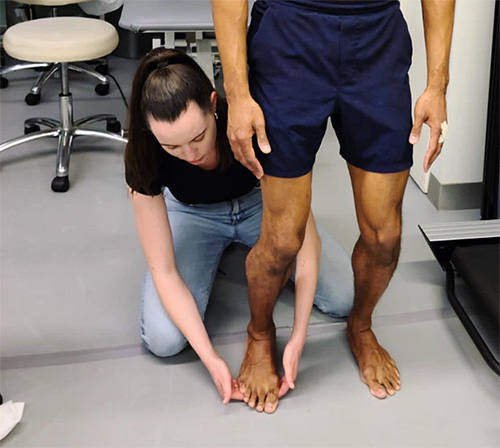
At Alberta Ballet, we work in the studios and in the theatre with the dancers to prevent and rehabilitate injuries. If we need to, we rely on imaging support from Mayfair Diagnostics.
Q: What are some of the most common injuries or musculoskeletal issues you see?
A: The type of injuries we see generally varies based on the type of choreography the dancers are rehearsing. Each show will put demand on the body in a slightly different way. However, some common trends that we see include injuries in the foot or ankle, as well as deficiencies in core stability, relative to the flexibility demands for dancers. If you think about it, both make some sense, given the long and elongated nature required of classical (and to a degree contemporary) ballet. When women dance en pointe, they are balancing on a space of about 1 square inch. That’s a lot to expect of small ankle muscles and tendons! Additionally, men and women can jump up to 200 times in one hour in minimal footwear (and they usually dance about 7 hours a day)! Since ballet dancers are not wearing running shoes or other footwear while they train, their feet and ankles need to absorb a lot of impact and be extremely strong.
In terms of core stability, dancers are required to use their core in extremely elongated positions, often with their backs in extension, and in extreme positions of rotation. In order to achieve the extraordinary fluidity of movement and serene stillness that we see when we watch dance, the dancers need to strike a perfect balance of flexibility and stability. Their cores need to be trained in positions that translate to what they are doing functionally, hence why I often prescribe exercises such as the “dead bug”, rather than crunches, or exercises where the spine is in more of a flexed position.
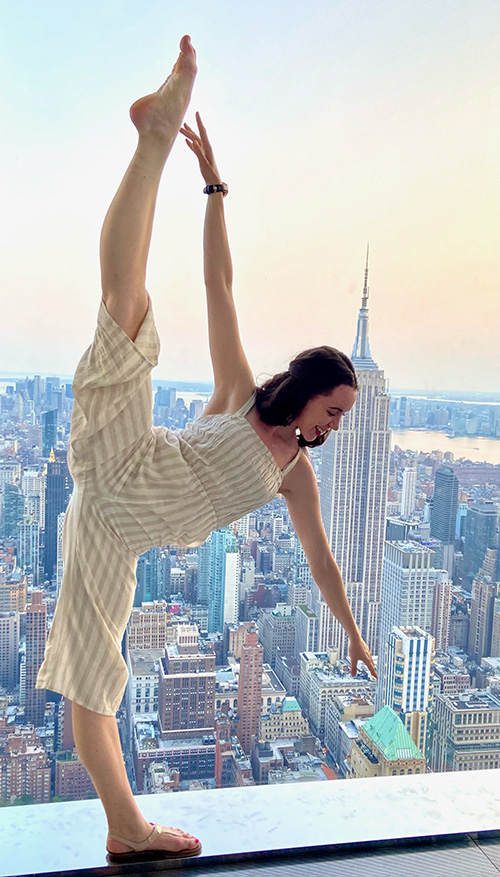
Q: What steps are you taking to support the dancers as they move into their busiest season. Are there any specific strategies that help them maintain peak performance while preventing injury?
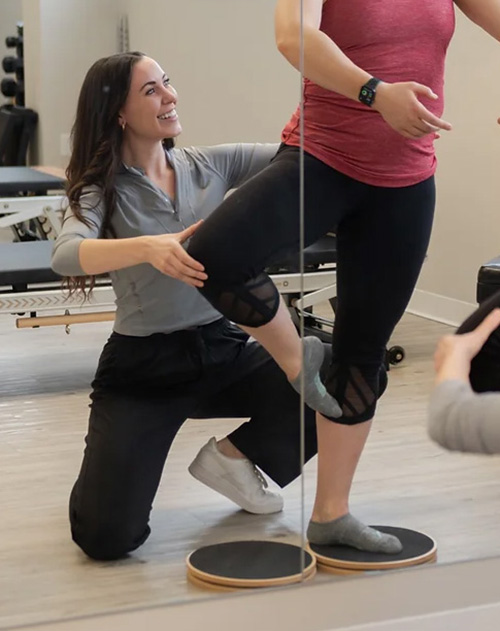
A: Because the dancers have access to Kirsten and I right here at the ballet studios, we can assist with everything from a 5-minute check in to a full work-up with soft tissue release and exercise prescription. We always want to focus a ton on prevention, so building strength to prevent issues before they happen is always a main focus. Right now, I am prescribing a lot of monster walks and core stability work for the lower back. The dancers spend a significant amount of time in turned out positions that require a lot of flexibility. To prevent injuries, it is important that we are working on strengthening areas that they may not use as often, and making sure that they have significant strength in their stabilizer muscles to support their flexibility demands.
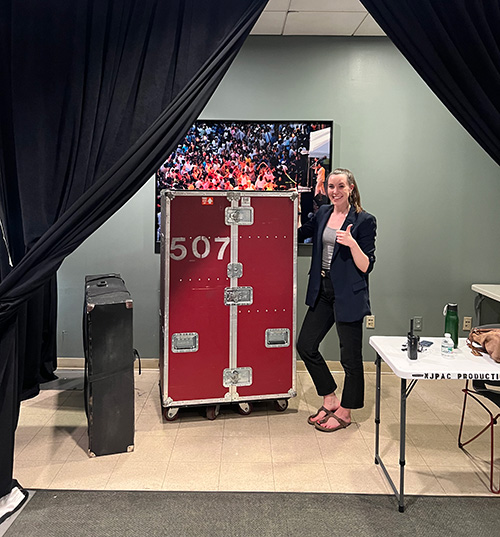
Q: Can you share any success stories from working with dancers that demonstrate how treatment has helped them return to peak performance? How do they respond to treatment, and what kind of feedback do you receive?
A: There are honestly so many success stories that it is hard to choose just one, but the ones that stand out to me are the times where we have only had a very short window of time to get a dancer back to performing, and we are able to get them back in time for a show. That always feels like a big win.
One of the most common feedback pieces I get actually makes me laugh a little bit, it’s “wow you have strong hands.” Anyone who has ever gone to physiotherapy will know that physio treatments aren’t always the most comfortable, but you usually feel better afterwards. The dancers are always vocal about how much better they feel after treatment, and often come back to tell us that they felt “way better” onstage during a rehearsal after treatment. I am grateful for the trust that they put in us as their healthcare team, and the ways that we can work together with them to get them back on their feet.
Q: Could you offer some general advice for dancers, athletes, or even non-dancers on how they can prevent injuries, maintain flexibility, and improve their performance?
A: Dancers are always very focused on flexibility so that they can do what they love to do, but it is very important to also support that flexibility with stability, so that the extreme positions that they put themselves in can be safely achieved. Just like in gymnastics, small and large muscle groups need to be trained and re-trained through dance and physiotherapy-prescribed exercises.
Another big piece of advice that I have for dancers and people in general, is to listen to their bodies and give themselves the proper rest and recovery times. Dancers, like all high-level athletes, work extremely hard, so it is important that their bodies get sufficient rest as well.
Q: Finally, what do you find most rewarding about working with ballet dancers?
A: Working with ballet dancers is rewarding in many ways. Firstly, the dancers all work extremely hard and are very committed to their rehabilitation processes. It is very rare that I need to remind them to do their exercises, as they prioritize their health and taking care of their bodies. Most dancers already have an incredible understanding of their own bodies, and they are always eager to learn more. Getting to see them onstage and do what they love is also extremely rewarding. Whether they are getting back to performing after an injury, or we are doing additional work to keep them performing, it is always incredible to get to watch them shine.
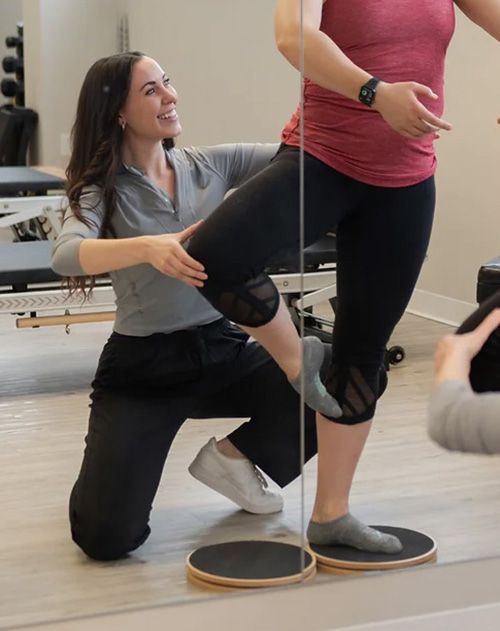
Brittney Winnitoy completed her Master of Science in Physiotherapy at McMaster University (Hamilton, ON). Previously, she obtained a Bachelor of Fine Arts in Dance and a Bachelor of Science in Kinesiology and Health Science from York University (Toronto, ON). She has experience in pediatrics, sports medicine, acute neurological rehab, and outpatient orthopedics, and is trained in IASTM, K-Taping, Blood Flow Restriction Therapy, Shockwave Therapy, and several other electrophysical modalities. She has also worked as a Certified Personal Trainer and is a certified Multi-Sport Coach.
Brittney’s work with Momentum Health is exclusively with the Alberta Ballet dancers at the time of publication.

Want To Learn More? Schedule An Appointment!
Need help turning these tips into action? Our multidisciplinary team at Momentum Health can provide personalized guidance for you and your family. From improving posture to increasing physical activity, we’re here to support your overall well-being. Schedule an appointment today!

Clinician Spotlight: Brittney Winnitoy – Keeping You on Your Toes!
Momentum Health is proud to highlight Brittney Winnitoy, a dedicated physiotherapist with a strong background in managing dance-related injuries. Brittney understands the unique physical demands dancers face, from ballet to contemporary styles, and the risk factors associated with their intensive practice schedule. Common injuries like ankle sprains, hip impingement, and Achilles tendonitis can often be prevented with targeted exercises and proper technique adjustments.
Brittney’s education includes a Bachelor’s of Fine Arts (Dance) and a BSc in Kinesiology from York University and a Master’s in Physical Therapy from McMaster University. She also holds additional training in concussion, manual therapy, clinical Pilates, and concussion rehabilitation, complementing her experience in treating sport and dance injuries. Additionally, Brittney pursued advanced training through the National Coaching Certification Program (NCCP) and has achieved the RAD (Royal Academy of Dance) Advanced 2 Vocational ballet exam. This specialized background gives her a deep understanding of the demands and challenges faced by dancers. Her personal experience as a dancer enhances her ability to connect with and understand the unique needs of performers. Brittney believes in a wholistic approach, addressing not only physical recovery but also mental well-being to help dancers return to peak performance confidently.
Brittney has over 20 years of professional-level dance training and performance experience and still performs herself when she is not in the clinic treating other dancers! Brittney is also part of a research project based out of the USA that is developing standardized return-to-sport concussion protocols for dancers and is passionate for advocating for athletes and their career longevity.
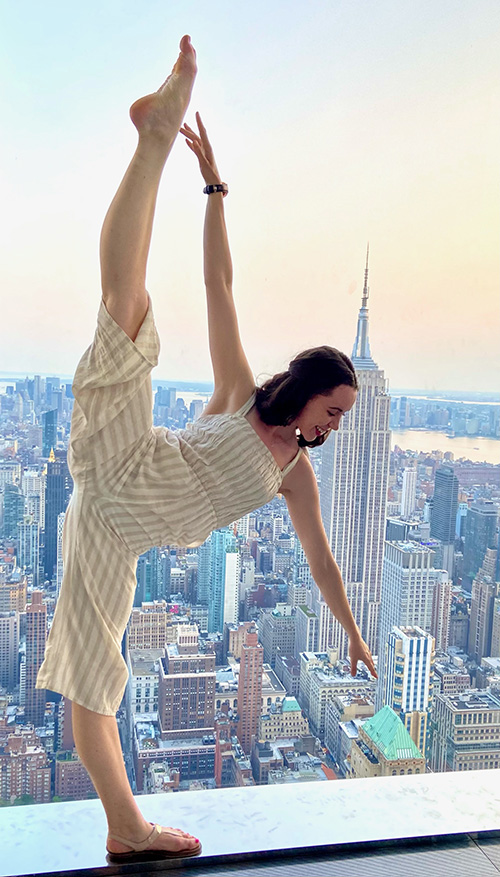
Commonly Prescribed Exercises for Ballet Dancers

Follow Us on Social Media!
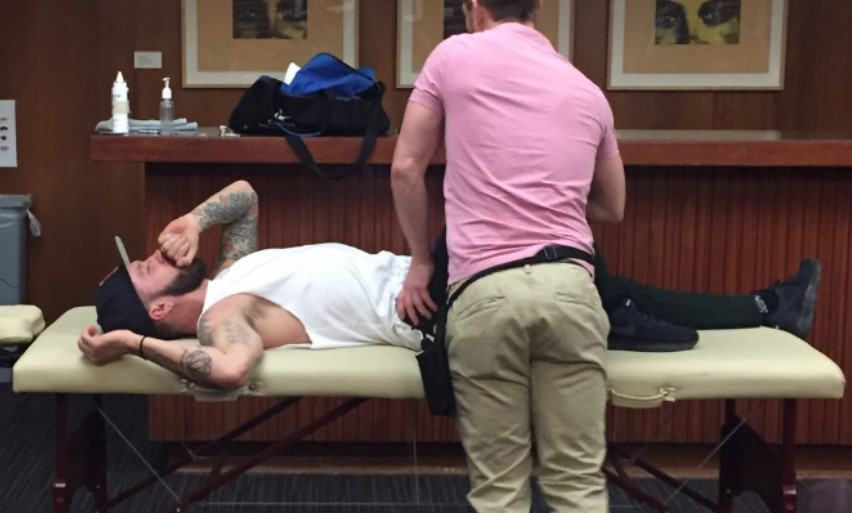
Community Corner: Behind the Scenes Treating Dancers of the Alberta Ballet
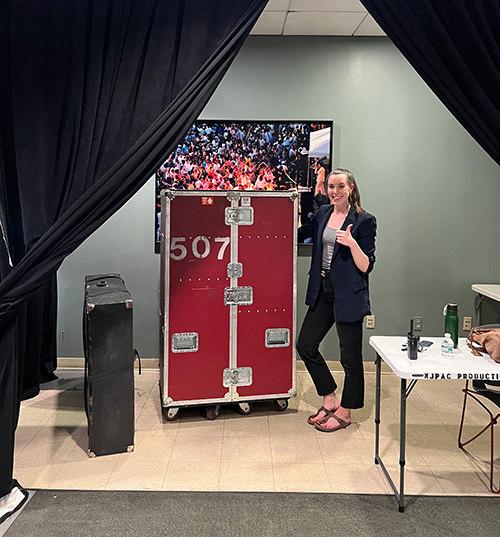
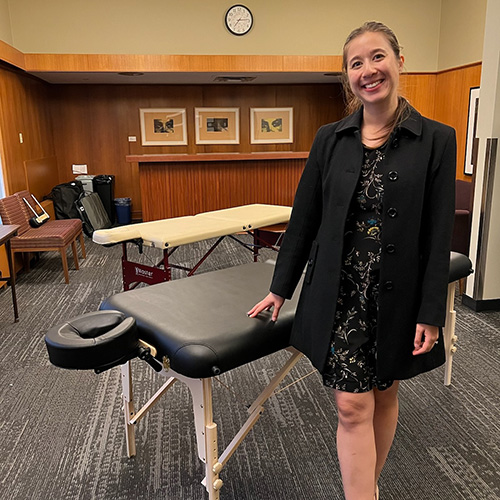
Momentum Health provides clinician volunteers at the theatre for Alberta Ballet prior to each performance. These volunteers complement the work of the core medical team. The next performance is The Nutcracker, which runs in Calgary December 13-15 and 20-24 at the Southern Alberta Jubilee Auditorium. To buy tickets, visit www.albertaballet.com

Healthy Recipe: Maple-Glazed Salmon Recipe
There’s nothing more Canadian than the sweet, rich flavor of pure maple syrup. As we honor Remembrance Day and reflect on the values that unite us, why not celebrate with a dish that embodies the essence of Canada? This Maple-Glazed Salmon recipe blends the fresh flavors of our Atlantic waters with the sweetness of the iconic Canadian maple tree. It’s a delicious and nutritious way to showcase Canadian ingredients while paying tribute to our heritage. Perfect for a cozy November dinner, this dish is sure to remind you why we’re proud to call this beautiful country home.
Ingredients:
- 4 salmon fillets (about 6 oz each)
- 1/4 cup pure Canadian maple syrup
- 2 tbsp soy sauce
- 1 tbsp Dijon mustard
- 1 tbsp fresh lemon juice
- 2 cloves garlic, minced
- Salt and pepper to taste
- Fresh thyme or parsley for garnish (optional)

Instructions:
- Preheat your oven to 400°F (200°C).
- In a small bowl, whisk together maple syrup, soy sauce, Dijon mustard, lemon juice, and minced garlic to create the glaze.
- Season the salmon fillets with salt and pepper, and place them on a parchment-lined baking sheet.
- Brush the maple glaze generously over the salmon fillets.
- Bake the salmon in the preheated oven for 12-15 minutes, or until the fish flakes easily with a fork and is cooked through.
- Remove from the oven and garnish with fresh thyme or parsley if desired.
- Serve hot with your favorite sides, such as roasted vegetables or a fresh salad.
Enjoy this deliciously Canadian meal that combines the best of land and sea!
Welcome to Our Newest Staff Members!
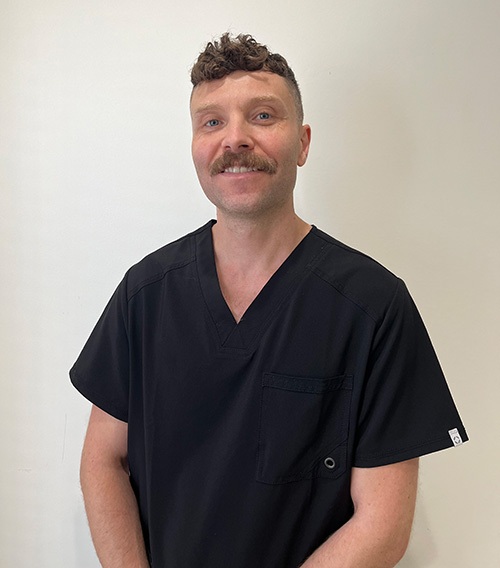
Collin Spowart (National Spine & Wellness RMT), Joanne Luong (Ogden RMT), Dominic Bui (Deerfoot RMT), Dr. Harsimranjit Singh (Evidence MD).



Halloween Contest Recap
Voting is in, commenting is closed and the winner of the 2024 People’s Choice Award for best Halloween Costume Clinic is…
Momentum Health Seton!!!