Hidden Injuries: Know the Warning Signs of Whiplash and Concussion

By Kristen Hunter, Physiotherapist
After a car accident, it’s natural to focus on visible injuries. But some of the most serious issues aren’t always obvious right away. Whiplash and concussion, in particular, can hide under the surface — and knowing what to watch for can make all the difference in your recovery.
Why These Injuries Can Be Missed
In the moment of a crash, adrenaline kicks in. You may walk away thinking you’re fine, only to develop symptoms hours or even days later. Whiplash affects the soft tissues of the neck, while concussion is a brain injury that can disrupt how you think, feel, and move. Both require careful attention.
Symptoms You May Notice
Whiplash: stiffness, headaches, shoulder pain, or limited range of motion
Concussion: dizziness, headache, blurred vision, sensitivity to light or sound, nausea, difficulty concentrating, or unusual fatigue, difficulty exercising
Other warning signs: tingling in the arms, balance changes, or memory issues
If these symptoms appear — even mildly — they shouldn’t be brushed off. It is also important to note that symptoms of both concussion and whiplash can mimic each other and are not mutually exclusive.
How Physiotherapy Helps
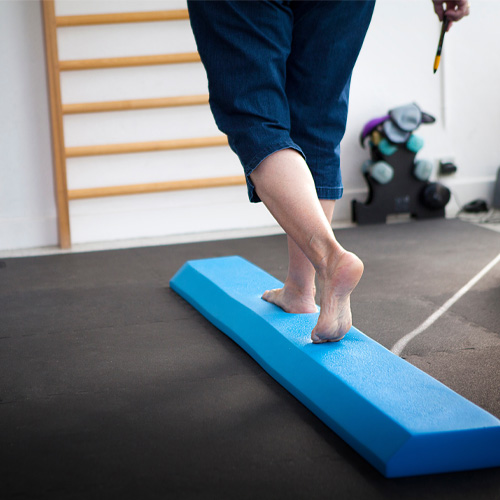
As a physiotherapist with a focus on concussion and vestibular rehab, I’ve seen how early intervention can change outcomes. Physiotherapy can assess your movement, balance, and nervous system function to create a treatment plan tailored to your needs. This may include gentle exercises, balance retraining, and strategies for gradually returning to work, school, or sport.

Don’t Tough It Out
Hidden injuries can feel confusing or even frustrating, but you don’t have to go through recovery alone. The earlier you seek care, the better your chances of preventing long-term complications.
If you’ve been in an accident and notice any of these warning signs, reach out for an assessment. Your safety and health are worth it.
Staff Spotlights:
Kristen Hunter (MPT, BKin)

Kristen earned her Master of Science in Physiotherapy after completing a Bachelor of Kinesiology and has been helping patients restore movement and confidence ever since. Her own experience with an ACL injury as a youth soccer player inspired her to pursue physiotherapy and support others through their recovery journeys. She has advanced training in vestibular and concussion care, as well as orthopaedic manual therapy and dry needling. Kristen enjoys tailoring treatment plans to meet each patient’s needs—whether they’re overcoming dizziness, healing from injury, or working toward improved strength and function. Outside the clinic, Kristen can often be found curling, golfing, or spending time with her family.
Hit the Brakes on Neck Pain: What to Know After an Accident

By Alyx Reimer, Registered Massage Therapist
When people think about a car accident, they often imagine vehicle damage first. But for many of my clients, the lasting impact is much closer to home: sore, stiff muscles that just don’t feel the same afterward.
Even a low-speed collision can leave your neck and shoulders absorbing force your body wasn’t prepared for. The result? Tightness, headaches, and a sense that your body is stuck in “protect mode.”

Why Massage Matters After an Accident
Your neck is made up of layers of muscles that work constantly to support your head and help you move. When those muscles are strained or whipped back and forth, they tighten up as a way to guard against further injury. That’s why, days after an accident, you may notice it’s hard to turn your head or relax your shoulders.
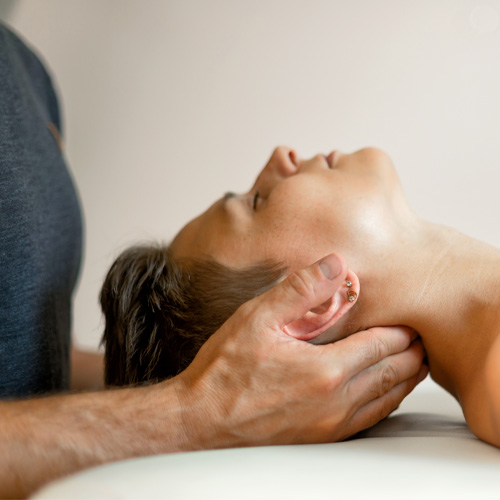
Massage therapy helps by reducing that muscle tension, improving circulation, and supporting the healing process. Overall sleep health can benefit greatly from regular massage, which becomes even more valuable after a collision. Paired with physiotherapy when needed, massage can restore mobility and help your body feel more at ease.
Early Signs to Watch For
After an accident, you may notice:
- Neck stiffness or difficulty turning your head
- Muscle soreness in the shoulders or upper back
- Headaches that start at the base of the skull
- Numbness or tingling in the arms, upper back or hands
- Tenderness or tension that lingers instead of improving
These symptoms may seem small, but they’re worth paying attention to. Addressing them early means a faster return to normal.
Finding Your Path Forward
Every recovery is unique, but the sooner you seek care, the smoother your healing process can be. Massage therapy is not just about relaxation — it’s about helping your body let go of protective tension so it can move freely again.
If you’ve recently been in a collision, don’t wait for neck pain to become part of your daily life. Gentle, targeted treatment can make a meaningful difference.
Staff Spotlights:
Alyx Reimer (RMT)

Alyx Reimer is a Registered Massage Therapist at Momentum Health Seton who takes a whole-body approach to patient care, focusing on identifying and addressing the root causes of pain. She brings specialized training in concussion and whiplash management, cupping, trigger point therapy, and myofascial techniques, allowing her to tailor each session to the unique needs of her clients. Alyx’s treatments support recovery from injuries, post-surgical rehabilitation, TMJ dysfunction, headaches, and contribute to overall wellness and mobility. Outside of the clinic, Alyx enjoys spending time outdoors, dancing, cooking, reading, and keeping up with her energetic dog.
Concussion or Whiplash?
After a car accident, fall, or sports injury, it’s common to wonder: Is it whiplash, a concussion, or both? In this Q&A, Kristen Hunter, Physiotherapist, and Alyx Reimer, Registered Massage Therapist, from Momentum Health Seton in Southeast Calgary, answer your most common questions about recovery after neck and head injuries.
Topics include: how to tell the difference between a whiplash injury and a concussion, why symptoms sometimes overlap, and what that means for your care, and how our multidisciplinary team works together to help you recover safely and thoroughly.
Whether your symptoms include neck stiffness, headaches, dizziness, or brain fog, this conversation helps you understand your next steps and what real recovery looks like. Learn more or book an assessment at one of our Calgary clinics.
Schedule Your Appointment Today!
Don’t let your health goals vanish into the Halloween shadows—now’s the perfect time to get back on track at Momentum Health. Book your next appointment and keep your routine feeling strong, fun, and full of energy all season long!

Community Corner:
Honouring Remembrance Day: Lest We Forget
Every November 11th, Canadians pause to remember the brave men and women who served and sacrificed for our freedom. At Momentum Health, we proudly honour our veterans and active service members who have dedicated their lives to protecting ours.
This day reminds us of the strength, resilience, and unity that define our country. Whether through a moment of silence, wearing a poppy, or attending a local ceremony, we encourage our community to take time to reflect on the courage and compassion that built the Canada we know today.
As we help our patients move, heal, and thrive, we’re inspired by the perseverance shown by those who served. Their example reminds us to keep pushing forward, one step, one recovery, one act of kindness at a time.
Lest we forget.
Momentum Health’s clinics will be open on November 11th.
Follow Us on Social Media!
Seasonal Recipe: Sourdough Apple Walnut Bread
A Tangy-Sweet Twist on Fall Baking
This hearty, naturally leavened loaf brings together the tang of sourdough, the crunch of toasted walnuts, and the juicy sweetness of apples. Packed with fiber, healthy fats, and fall flavor, it’s perfect for breakfast, snacking, or serving warm with a little butter or nut spread. Bonus: It smells amazing while baking!
Ingredients:
- 1 cup active sourdough starter (fed within the last 4–6 hours)
- 3 cups bread flour (or mix 2 cups bread flour + 1 cup whole wheat flour)
- 1 tsp salt
- ¾ cup water (adjust slightly if dough is too dry)
- 1 tbsp maple syrup or honey (optional, for a hint of sweetness)
- 1 medium apple, peeled and chopped into small chunks (Honeycrisp or Gala work well)
- ½ cup chopped walnuts, lightly toasted
- ½ tsp cinnamon (optional for extra fall flair)

Instructions:
- Mix the dough: In a large bowl, combine sourdough starter, flour, salt, water, and maple syrup. Stir until a shaggy dough forms. Let rest for 30 minutes (autolyse).
- Add mix-ins: Gently fold in chopped apples, walnuts, and cinnamon (if using) until evenly distributed.
- Stretch & fold: Over the next 2 hours, perform 3–4 sets of stretch-and-folds every 30 minutes to build gluten strength.
- Bulk fermentation: Cover and let the dough rise at room temperature for 4–6 hours, or until nearly doubled.
- Shape & proof: Shape the dough into a round or oval loaf. Place into a floured banneton or bowl lined with a towel. Cover and refrigerate overnight for 8–12 hours.
- Bake: Preheat oven to 450°F (230°C) with a Dutch oven inside. When hot, place the loaf into the pot, score the top, and cover. Bake covered for 20 minutes, then uncovered for 20–25 more minutes, until deep golden brown and hollow-sounding when tapped.
- Cool: Let cool on a wire rack for at least 1 hour before slicing (we know it’s hard to wait!).