


The Conversation Nobody Wanted to Start
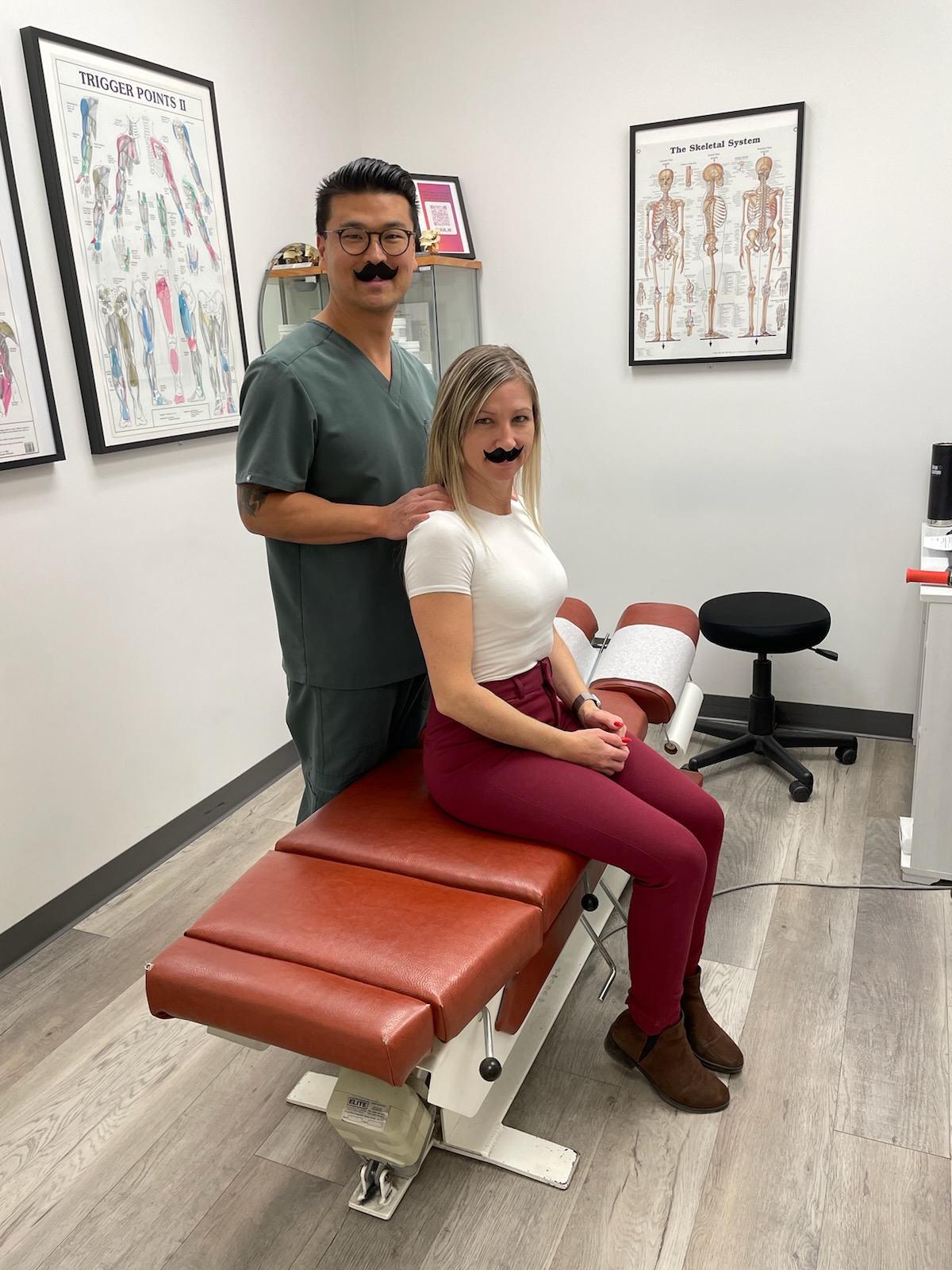
November is one month of the year when men’s health gets to be the focus of the conversation.
Which means it’s also a good time to have the conversation that most men are actively avoiding.
I work in pelvic floor physiotherapy. When I tell people that, the response from women is usually immediate recognition. They know what it is. They or someone they love has needed it. The response from men, when I tell them it applies to them too, is usually a pause. Sometimes a laugh. Almost always surprise.
That surprise is what I want to address, because the men who find their way to the clinic are not outliers. They are managing things that are far more common than anyone talks about, things that have a name and a treatment and a genuinely good outcome when someone finally addresses them properly.
If you are reading this and thinking about a man in your life, here is what pelvic health physiotherapy can do for him.
Urinary leakage is probably the most common reason men (and women) seek my help. After prostate surgery it is particularly prevalent, but it also shows up in men who have never had surgery, often connected to core dysfunction, chronic straining, or years of ignoring signals the body was sending.
It is not inevitable. It is treatable, and the results are often significant.
Urinary urgency, the sudden and intense need to get to a bathroom, is another condition men manage quietly for years before anyone suggests it might respond to physiotherapy. The pelvic floor is deeply involved in bladder control, and when it is not functioning well, urgency becomes a constant negotiation. Treatment addresses the root cause rather than managing around it.
Pelvic pain in men is perhaps the most underdiagnosed condition I see.
It presents in different ways: persistent discomfort in the perineum, tailbone, or lower abdomen, pain with sitting, pain that has been investigated and come back without a clear structural explanation. The pelvic floor is often the missing piece in those cases, and a thorough assessment changes the picture considerably.
Sexual dysfunction connected to pelvic floor tension or weakness is another area where physiotherapy has a genuine clinical role. This is the conversation men are least likely to initiate and most likely to carry in silence for years. I name it because naming it is the first step toward addressing it.
Post-surgical rehabilitation after prostate procedures, hernia repairs, or other pelvic surgeries is an area where physiotherapy is evidence-supported and often ignored by men.
Recovery is often faster and more complete when the pelvic floor is properly rehabilitated rather than left to find its own way back.
What connects all of these:
Men have a pelvic floor, it plays a central role in their daily function and quality of life, and when it is not working well the effects are wide-ranging. Most men have never been told this. Most of them have been managing the consequences without knowing there was a clinical path forward.
If you or someone in your life has been quiet about pelvic health concerns for too long, this might be the month to mention that help exists.
By Heta Parikh, PT, Pelvic Health Physiotherapist Momentum Health Seton
Pelvic floor conditions need not be taboo.
Albertans can call us to ask about a complimentary 15-minute consult for most disciplines, or click to book online.
Follow Us on Social Media!
Meet Heta Parikh, PT
Pelvic Health for everyone.

Heta Parikh, PT
Heta Parikh has spent close to a decade in physiotherapy learning something that takes most clinicians time to understand: what a patient says is bothering them and what is actually driving the problem are often two different things. Her approach starts at the root, not the symptom, which is why her practice draws patients managing conditions that have already visited several other clinicians without resolution.
Her clinical work spans sports injury rehabilitation, pelvic floor physiotherapy, concussion management, TMJ rehabilitation, and dry needling. That range is not accidental. Heta is drawn to cases where the connection between systems matters, where a pelvic floor that isn’t functioning properly shows up as low back pain, or a TMJD that didn’t resolve fully is disrupting sleep and eating long after the initial injury. She is the kind of clinician who keeps looking until the picture makes sense.
Heta’s Approach to Care
✔ Evaluate. Dig through patient history to complete the picture.
✔ Focus. Pelvic Health can affect all genders. Heta works with everyone to understand the best approach.
Men who have managed urinary urgency, pelvic pain, post-surgical changes, and other conditions for years, sometimes quietly, often do not know that physiotherapy is a considerable benefit. Heta does not treat those conversations as unusual. She treats them as overdue.
Heta practices at Momentum Health Seton, where she works one-on-one with patients through thorough assessments and individualized treatment plans built around real goals and real life.

Community Corner: New Restore Core & Floor Classes

Restore Core & Floor – a program for new Moms
Restore Core and Floor is a specialized, baby-friendly group exercise class designed to help you safely return to physical activity and exercise while focusing on your pelvic health. Restore Core and Floor is designed for Moms anywhere from 6 weeks postpartum up to 5 years after baby.
The next class will be at Momentum Health Deerfoot, based on demand.
Call Momentum Health Deerfoot for more information 403.228.7968
Schedule Your Appointment Today!
If you’re ready to make meaningful changes that actually last, scheduling an appointment with Momentum Health is the perfect place to start. Our team is here to help you move better, feel stronger, and build healthier habits all year long.
Healthy Recipe: Grey Cup Slow Cooker Chili
Twenty minutes of prep in the morning, and the slow cooker does the rest by kickoff. With the Grey Cup at McMahon Stadium on November 15, this one feeds a crowd without anyone missing a play.
Makes about 8 servings
Ingredients
- 1 lb (450 g) lean ground beef or ground bison
- 1 onion, diced
- 1 red bell pepper, diced
- 3 cloves garlic, minced
- 1 can (796 mL) diced tomatoes
- 1 can (156 mL) tomato paste
- 2 cans (540 mL each) kidney or black beans, drained and rinsed
- 1 cup low-sodium beef broth
- 2 tbsp chili powder
- 1 tsp ground cumin
- 1 tsp smoked paprika
- ½ tsp salt
- For topping: plain Greek yogurt, shredded cheddar, sliced green onion

Directions
- Brown the meat and onion in a skillet over medium-high heat, about 8 minutes. Drain any fat.
- Add the meat and onion to the slow cooker with everything else except the toppings. Stir well.
- Cook on low for 6 to 8 hours or high for 3 to 4 hours.
- Set out the toppings and let everyone build their own bowl.
- Store leftovers in the fridge for up to 4 days, or freeze for up to 3 months.
Notes
Tip: swap the meat for a third can of beans to make it vegetarian.