


When the Ride Doesn’t Go as Planned
By Chantelle Casamayor, Physiotherapist, Momentum Health National Spine & Wellness
Riding was part of my youth in Calgary: pond hockey in the winter, gymnastics year-round, and English horse back riding whenever I could manage it. I also learned early that an active life comes, inevitably, with sports injuries. Moments where your body takes a hit and you’re left figuring out what comes next, hoping the setback won’t last too long.
That’s actually how I found physiotherapy. Not through a textbook, but through my own recovery from sports injuries and several car accidents. And it’s a big part of why I do this work now.
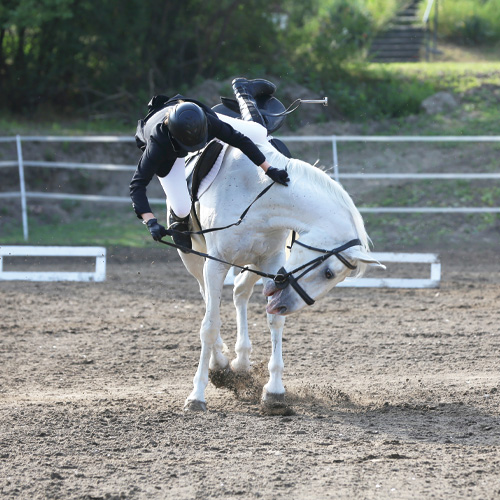
This time of year, Stampede brings the energy back to Calgary. The horses, the crowds, the rodeo, the races – the riders who have trained so diligently for this moment. And every July, I also see what happens when a ride doesn’t go as planned.
Falls from horses are more common than people talk about. They happen to experienced riders and first-timers alike. One unexpected shift of the horse underneath you, one moment of lost balance, and the ground comes up fast. The two injuries I see most often after a horseback riding fall are concussions and injuries to the shoulder, arm, and wrist from a FOOSH (Fall On an Outstretched Hand).
FOOSH injuries are common because extending the arms to break a fall is a natural protective response. When this mechanism is combined with the height and force involved in a fall from a horse, the resulting injuries can be significant. FOOSH injuries can range in severity from fractures to muscle strains and ligament sprains affecting the wrist, elbow, shoulder, or surrounding structures. The good news is that physiotherapy plays a key role in recovery, helping to reduce pain, restore mobility, rebuild strength, and safely guide riders back to the saddle with confidence and full function.
Concussions are trickier, because the symptoms aren’t always immediate. You might walk away from a fall feeling shaken but okay. Then the next morning, the headache, cloudiness, and fatigue show up. Or you notice you’re more irritable and anxious than usual or falling asleep is more difficult. These are your nervous system’s signals that something happened and they deserve attention, not merely time and rest. Please also see our webpage on the red flags of a concussion, where an ambulance is required!
I know what it’s like to push through and assume things will settle on their own. Sometimes they do. But in my experience, both as someone who’s been through rehabilitation myself, and as a physiotherapist who works with patients every day, the people who come in early have a fundamentally different recovery than the people who wait. Not because their injury was less serious, but because they gave their body the right support at the right time.

Recovery from a fall isn’t about resting and hoping. It’s about understanding what happened, building a plan that fits your life, and moving forward with confidence instead of caution. For an injury from a FOOSH, that means restoring strength and mobility gradually, in the right sequence, so your shoulder and arm earn their way back to full function. For a concussion, it means carefully calibrated activity – not too much, not too little with medical guidance to move you through what your nervous system can handle week by week.
Stampede should be a highlight of your summer. If this one left you with something that doesn’t feel right, come in and let’s figure it out together. You don’t have to wait until August to feel like yourself again.
Follow Us on Social Media!

Chantelle Casamayor
Physiotherapist, National Spine & Wellness
Chantelle Casamayor didn’t discover physiotherapy in a classroom. She discovered it on a treatment table, working her way back from multiple car accidents and sport injuries she accumulated growing up in Calgary.
That experience of being the patient, doing the hard work of rehabilitation, learning what it actually feels like to rebuild is the foundation everything else is built on.
Growing up, Chantelle was always moving: Riding horses, doing gymnastics, playing pond hockey. She became fascinated by how the body works: how it’s designed to move, how it breaks down, and how resilient it can be with the right support. That curiosity led her to a Bachelor of Science in Human Science from Athabasca University, then a Master’s of Science in Physical Therapy from the University of Alberta. Today she brings that academic grounding together with something you can’t learn in a lecture, she knows what recovery actually feels like from the inside.
Chantelle works with patients at Momentum Health National Spine & Wellness using therapeutic exercise, manual therapy, and a lot of education. That last part matters most to her. She wants patients to understand what’s happening in their bodies, not just follow instructions, but genuinely know why they’re doing what they’re doing. When people have that understanding, recovery stops feeling like something happening to them and starts feeling like something they’re actively part of.
Outside the clinic, you’ll find her hiking, weightlifting, running, skating, or tending to her most unexpected hobby: raising Amazon Dart frogs. She loves learning new things. It shows in how she practices.

Be Stampede Ready

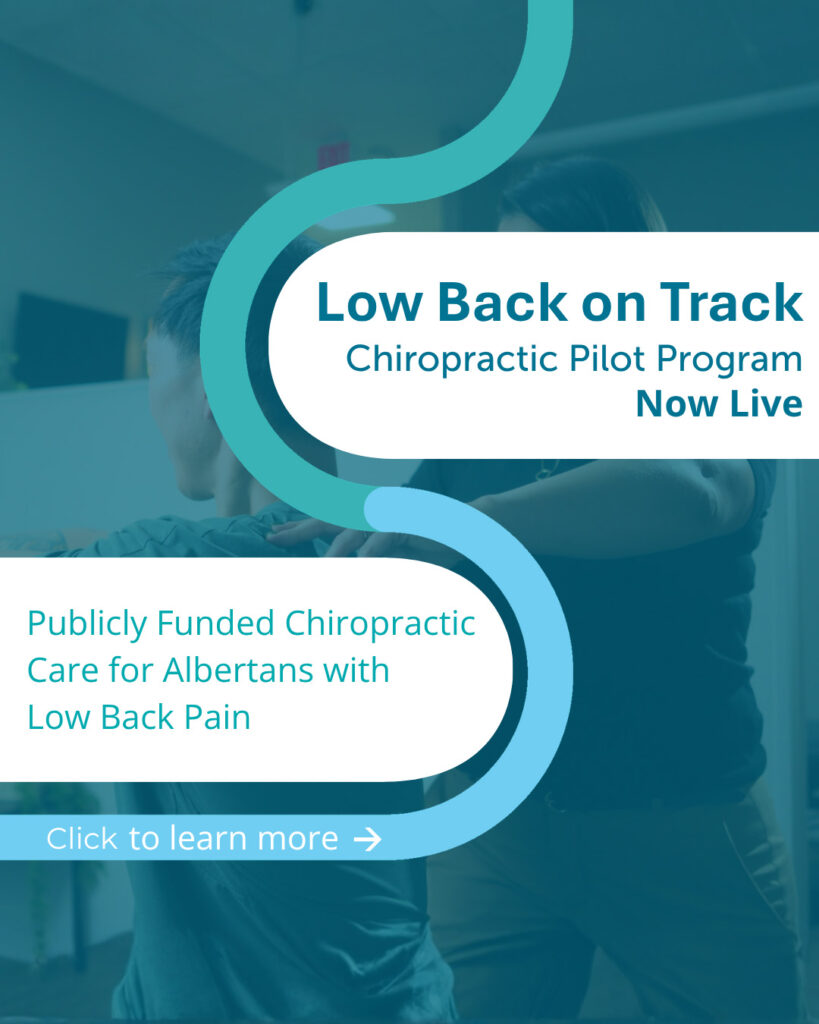
Chiropractic Pilot Program. Now Live!
The Low Back on Track pilot program is now live in northwest Calgary and Red Deer.
This publicly funded program gives eligible adults up to eight chiropractic visits over 90 days at no cost, helping people access early, evidence‑based care for persistent or recurring low back pain.
If you or someone you know has been struggling with low back pain, this program may be a great fit.
Schedule Your Appointment Today!
If you’re ready to make meaningful changes that actually last, scheduling an appointment with Momentum Health is the perfect place to start. Our team is here to help you move better, feel stronger, and build healthier habits all year long.
Healthy Recipe: Maple Whiskey Grilled Chicken
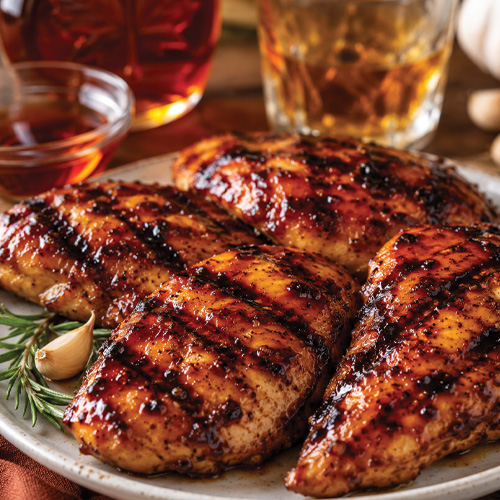
Fire up the grill and bring a taste of Canadian summer to your table with this Maple Whiskey Grilled Chicken. This recipe combines rich maple sweetness with a subtle smoky kick for a perfectly balanced, crowd-pleasing dish that’s ideal for backyard barbecues, weekend gatherings, or a simple weeknight meal outdoors. It’s easy to prepare, packed with flavour, and a great way to refuel after staying active all season long.
For the chicken
- 4 boneless, skinless chicken breasts or thighs
- Salt, to taste
For the Marinade & Glaze:
- 1/2 cup pure Canadian maple syrup
- 1/4 cup whiskey (rye or bourbon)
- 3 tbsp soy sauce
- 2 tbsp Dijon mustard
- 3 cloves garlic, minced
- 1 tbsp apple cider vinegar
- 1 tbsp olive oil
- 1/2 tsp black pepper
- 1/2 tsp smoked paprika
- Optional: pinch of chili flakes
How to Assemble
- Make the Marinade
In a bowl, whisk together maple syrup, whiskey, soy sauce, Dijon mustard, garlic, vinegar, olive oil, pepper, paprika, and optional chili flakes. - Marinate the Chicken
Season chicken lightly with salt. Pour marinade over the chicken, reserving about 1/4 cup for later. Cover and refrigerate for at least 2 hours, preferably overnight. - Preheat the Grill
Heat grill to medium, approximately 375–400°F (190–200°C). Lightly oil the grates. - Grill the Chicken
Remove chicken from marinade and discard the used marinade. Grill for 5–7 minutes per side, depending on thickness. - Glaze and Finish
During the last few minutes of cooking, brush the chicken with the reserved marinade. Flip and glaze again until slightly caramelized. Cook until internal temperature reaches 165°F (74°C). - Rest and Serve
Let the chicken rest for 5 minutes before serving.
Serving Suggestions
- Serve with grilled vegetables or corn
- Slice and add to a fresh summer salad
- Pair with roasted potatoes or quinoa
Tips
- Chicken thighs will be more tender and flavourful than breasts
- Avoid applying glaze too early, as the maple syrup can burn
- A squeeze of fresh lemon juice at the end adds brightness