Heads Up! The Lowdown on Seat Belt and Headrest Smarts

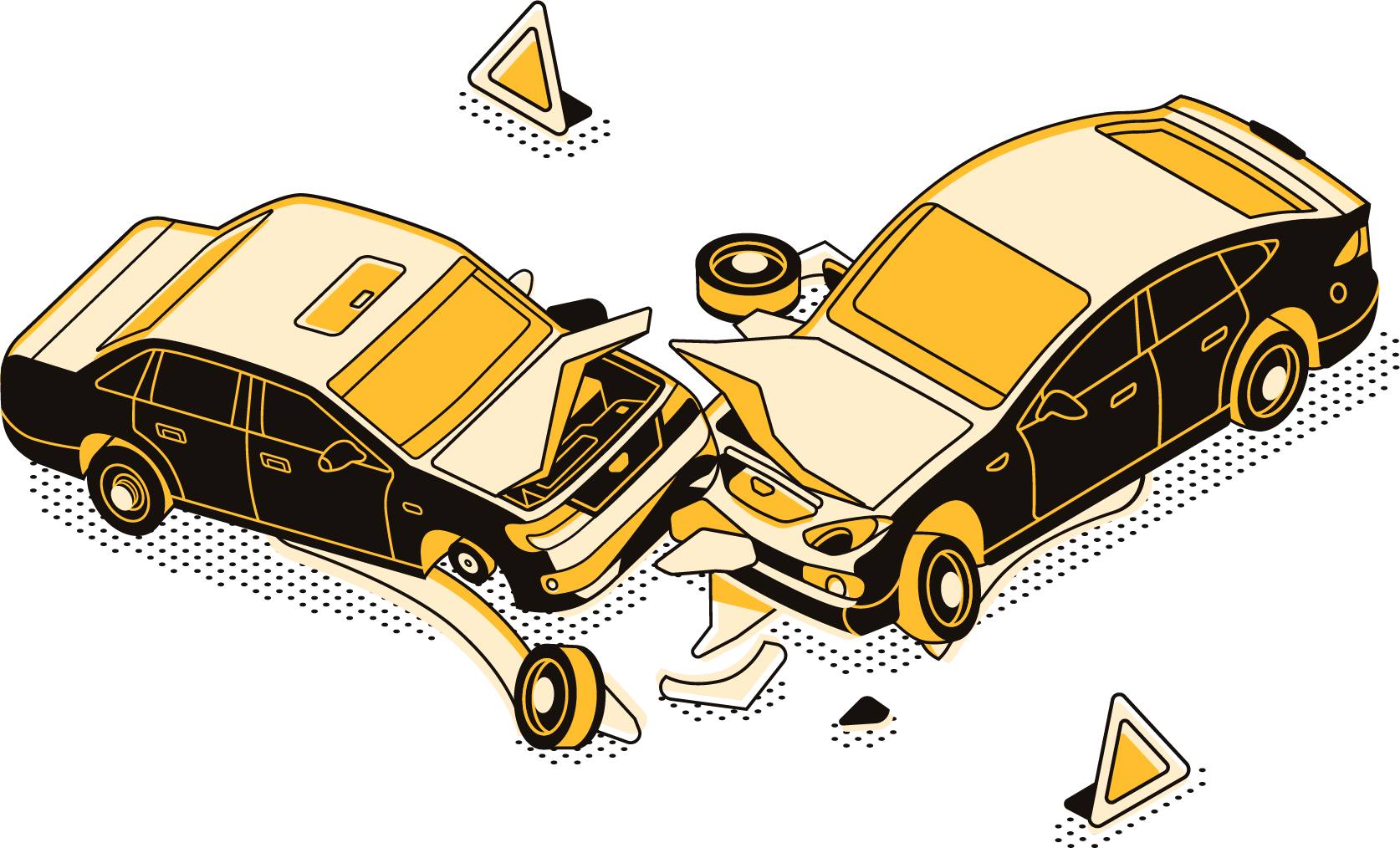
No one plans to be in a car accident–but sometimes, they happen anyway. And when they do, you want to be prepared.
Modern vehicles are equipped with many safety features to help minimize injury after an accident, but you want to make sure you’re using them correctly. Small adjustments to how you use your car’s seatbelts and headrests can play a crucial role in preventing serious injuries, such as whiplash and concussion.
Let’s dive into how you can stay safe and comfortable on the road–and how Momentum Health & Evidence Sport and Spine can help if you do suffer an injury.

Understanding Seat Belts
Seat belts are designed to keep you securely in place in the event of a car accident. They work by distributing the force of a collision across the stronger parts of your body–your chest, pelvis, and shoulders. This reduces the risk of severe injuries, such as internal organ damage or spinal fractures.
Three Tips to Maximize Seat Belt Safety
Wear Them Correctly
- A seatbelt shoulder strap should rest across your chest, not your neck. The lap belt should lie snugly across your hips, not your stomach.
Know How to Adjust Them
- Seatbelts can usually be adjusted to provide a better fit. For example, you can raise or lower the belt in most vehicles to ensure the belt does not fall across your neck.
Don’t Get Things Twisted
- Make sure the belt lies flat and isn’t twisted–twists can create pressure points that may cause additional injuries during an accident.
Understanding Headrests
Headrests help minimize the risk of whiplash-related injuries, which occur when the neck snaps forward and backward during a collision. This motion can strain muscles, ligaments, and the cervical spine. However, for it to be effective, you do need to make sure your headrest is positioned properly.
Three Tips to Ensure Correct Headrest Positioning
Check the Height
- The top of the headrest should align with the top of your head, ensuring your head doesn’t extend over the rest during a collision.
Check the Distance
- Keep the headrest no more than 5 centimeters away from the back of your head. This minimizes the risk of excessive neck movement.
Test Your Position
- Sit upright and check your headrest alignment before driving.
Experienced a Motor Vehicle Accident? We Can Help.
While proper seatbelt and headrest usage helps minimize injuries during a motor vehicle accident, you might not be able to avoid them completely. Even a minor car accident can lead to musculoskeletal discomfort, such as neck stiffness, lower back pain, and muscle tightness.
You don’t want to ignore these issues. Instead, seek care at Momentum Health & Evidence Sport and Spine, where our multidisciplinary team will assess your symptoms and craft a personalized treatment program to help you find relief–and prevent minor aches and pains from blossoming into something more serious.
Here are some of the treatment techniques that can be particularly beneficial after a car accident:
Manual Therapy
- These various hands-on techniques help relieve pain and restore joint function.
Modalities
- We offer many effective treatment modalities, including shockwave therapy, laser therapy, and dry needling, to help reduce pain and inflammation while facilitating your body’s natural healing processes.
Therapeutic Exercise
- Targeted stretching and strengthening movements help improve overall function and reduce the risk of long-term complications.
Custom Orthotics
- If an accident affects your gait or posture, custom orthotics can provide additional support, helping keep your body aligned and reducing strain on the affected joint.
Corticosteroid Injections
- These injections deliver powerful pain and anti-inflammatory medication directly to the injury site, offering effective relief for acute discomfort.
Spinal Adjustments
- This technique involves moving segments of the spine quickly, helping to relieve pain and improve mobility.
Proper Car Safety is Key to Minimizing Injuries
Car accidents can have lasting effects, but prevention and early intervention make a big difference. By using your seatbelt and headrest correctly, you can reduce your risk of serious injuries. And if you’re already dealing with aches and pains after an accident, our multidisciplinary team is here to help.
Schedule an appointment today to get started!
Want To Learn More? Schedule An Appointment!
Need help turning these tips into action? Our multidisciplinary team at Momentum Health can provide personalized guidance for you and your family. From improving posture to increasing physical activity, we’re here to support your overall well-being. Schedule an appointment today!

Clinician Spotlight: Russ Gothard, PT
Innovating Care for Concussion and Vestibular Health
This month, we’re excited to spotlight Russ Gothard, PT and Clinic Director, known for his exceptional work in vestibular rehabilitation. With a specialized focus on treating conditions like vertigo, dizziness, and concussion symptoms, Russ takes a holistic approach to helping patients regain their balance and confidence in everyday life.
Russ’s dedication to addressing complex and atypical injuries truly sets him apart. Whether he’s developing creative solutions for unique cases or collaborating with our Physiatry partners at Kinesis Medical to streamline patient care, Russ consistently works to enhance his patients’ outcomes.
Outside of the clinic, Russ enjoys spending time outdoors—climbing, camping, and paddling during the warmer months—or cozying up with his guitar, watching bad movies, and spending time with his cats, Spike and Dru, when the weather turns cold.
Russ’s passion for helping patients return to their best selves makes him an invaluable member of our team.

New Service Announcement: Occupational Therapy
We’re pleased to announce that we’ve recently added a new service here at Momentum Health: occupational therapy.
Occupational therapy is a “function” based therapeutic approach that helps patients regain participation in meaningful day-to-day tasks they both need and want to do, whether at work, school, home, or leisure. Our occupational therapist, Kelsie Roth, takes a holistic approach to care, involving all aspects of a person, including the mind, emotions, and the nervous system. She works closely with her patients to understand what is impacting their lives in order to find collaborative and dynamic solutions. The outcome is one of increased confidence and self-assuredness, a feeling of control and accomplishment, increased resiliency and emotional strength, as well as a calmer, more balanced nervous system following a difficult life event.
Learn More About Occupational Therapy
Who Can Benefit?
- People experiencing depression and/or anxiety
- People experiencing social isolation due to a distressing and/or traumatic event
- People who overall, are experiencing a decline in function and coping
- People recovering from severe injuries, such as TBIs, whiplash, or fractures due to work related injuries or motor vehicle accidents
- People with neurological conditions, such as multiple sclerosis or Parkinson’s disease
- People with autoimmune diseases such as lupus and rheumatoid arthritis
- People with chronic pain conditions, such as fibromyalgia
- People rehabilitating after major surgeries, such as spinal surgery
- People experiencing chronic stress or PTSD from a physical and/or psychological trauma
- People experiencing long Covid symptoms such as fatigue and brain fog
- People experiencing memory, attention or problem solving difficulties
What Type of Care Does Occupational Therapy Provide?
- Mental health support, including coping strategies, stress reduction, emotional regulation, distress tolerance, and building self-confidence and resiliency
- Mind-body connection strategies such as somatic experiencing, visualizations, meditation, breathing techniques and yoga nidra to calm the nervous system and activate the “rest and digest” parasympathetic response
- Sleep hygiene, routine development and self-care skills (Return to basic human needs in day to day life e.g. eating, sexuality, spirituality, exercising, sleep, emotional bonding and support, making time for hobbies, personal fulfillment and fun)
- Assistance with essential tasks like bathing, dressing, eating, and grooming to promote independence
- Support for more complex tasks such as cooking, cleaning, managing finances, and transportation
- Recommendations for adaptive equipment and home adjustments to improve safety and accessibility
- Cognitive rehabilitation to improve memory, problem-solving, and attention
- Techniques to reduce pain, improve mobility, and enhance quality of life
- Assistance with activity pacing and modification
- Incorporation of art therapy
- Exposure therapy
Call Today to Learn More
If you think you or a loved one might benefit from our occupational therapy, call Momentum Health Seton today at 403.455.6865. We’ll be happy to share more about this new service.

Recover Right: Tips for Navigating Concussion Recovery
Although concussions are classified as “mild” traumatic brain injuries–meaning they aren’t life-threatening–they still require proper care to help you manage your symptoms as you recover from your injury.
At Momentum Health, we have extensive experience helping our patients rehabilitate after a concussion. Here are four of our favourite tips to help you navigate post-concussion recovery:
Prioritise Rest in the First 24-48 Hours
- This isn’t just about physical rest, although that’s also essential. During the early stages of healing, you want to give your brain time to recover by avoiding screens, loud environments, and strenuous activities – especially anything that includes the chance of a second head impact event.
Utilize Light, Monitored Exercises
- After an initial period of rest, returning to light exercise (such as walking) is indicated by the current research. From there, increasing exercise intensity as tolerated gives you the best chance of recovering fully from a concussion. However, it’s important to do so under medical supervision. Our team can let you know which activities will work best for your needs and monitor your progress to ensure you don’t push yourself too hard.
Monitor Your Symptoms
- Pay attention to any concussion symptoms, including headaches, dizziness, memory issues, or mood changes. People are often surprised to hear that symptoms such as trouble sleeping, excessive sweating, or altered heart rate are also considered signs of concussion, so you may need help identifying your symptoms. Remember that concussion symptoms don’t always appear immediately, so if you notice anything, even if a few days have passed, reach out to our team.
Don’t Skip Professional Support
- Concussion symptoms are different for everyone. At Momentum Health, we can evaluate your specific symptoms and provide customized support for your needs.
If you’ve recently suffered a concussion, schedule an appointment with us today to learn how we can aid in your recovery.
Whiplash!

Follow Us on Social Media!

Community Corner: Mahogany HOA Polar Dip February 1st
We will be at the Mahogany HOA Winterfest & Icebreaker Polar Dip 12:00 PM to 3:00 PM on Saturday, February 1st, 2025. Not only is this an event to celebrate with ice sculptures, ponies and hot chocolate, there’s also a fundraiser where participants plunge in the frozen Mahogany Lake!
We will be there to volunteer and support the event and the plunge participants.
Healthy Recipe: Healthy Lentil and Greens Stew
This hearty and flavorful stew is packed with plant-based protein, fiber, and essential nutrients. Perfect for a cozy lunch or dinner!
Ingredients:
- 1 tablespoon olive oil
- 1 medium onion, diced
- 3 garlic cloves, minced
- 2 medium carrots, diced
- 2 celery stalks, diced
- 1 teaspoon ground cumin
- 1 teaspoon smoked paprika
- 1 teaspoon dried thyme
- 1/2 teaspoon turmeric
- 1/2 teaspoon red pepper flakes (optional, for heat)
- 1 cup dried green or brown lentils, rinsed
- 1 (14.5 oz) can diced tomatoes (no salt added)
- 4 cups low-sodium vegetable broth
- 2 cups water
- 2 cups chopped leafy greens (e.g., kale, spinach, or Swiss chard)
- 1 tablespoon fresh lemon juice
- Salt and pepper to taste
- Optional toppings: fresh parsley, a drizzle of olive oil, or grated Parmesan cheese

Instructions:
- Sauté Aromatics:
Heat olive oil in a large pot over medium heat. Add the diced onion, garlic, carrots, and celery. Sauté for 5-7 minutes, stirring occasionally, until softened. - Add Spices:
Stir in cumin, smoked paprika, thyme, turmeric, and red pepper flakes (if using). Cook for 1 minute, until fragrant. - Add Lentils and Liquid:
Add the rinsed lentils, diced tomatoes, vegetable broth, and water to the pot. Stir well. - Simmer:
Bring the mixture to a boil, then reduce the heat to low. Cover and simmer for 25-30 minutes, or until the lentils are tender. - Add Greens:
Stir in the chopped leafy greens and cook for an additional 5 minutes, until wilted. - Season and Finish:
Add the lemon juice, and season with salt and pepper to taste. Adjust seasoning as desired. - Serve:
Ladle the stew into bowls and top with fresh parsley, a drizzle of olive oil, or grated Parmesan cheese, if desired.
Enjoy this comforting and healthy meal!
Welcome to Our Newest Staff Members!
Kelsie Roth, OT, Becca Atkinson, PT, Dr. Chelsea Durling, DC, Anthony Soliva, RMT

Thank you for subscribing!

New Year’s Resolutions You Can Stick To
When it comes to setting New Year’s resolutions, health and wellness goals are at the top of the list. One survey found that around 29% of Canadians wanted to improve their fitness or nutrition in 2023–and that 68% of respondents didn’t keep their 2022 resolutions.
So, if you struggle to stick with your New Year’s resolutions, know you aren’t alone. At Momentum Health, we regularly work with people looking to improve their health or fitness, and we’ve found that the people who get the best results aim for goals that fit their lifestyle and interests.
Today, we wanted to share some of our clinicians’ favourite tips for crafting New Year’s resolutions you can actually keep.
Five Tips for Setting Achievable Health and Wellness Goals
1. Start Small and Specific
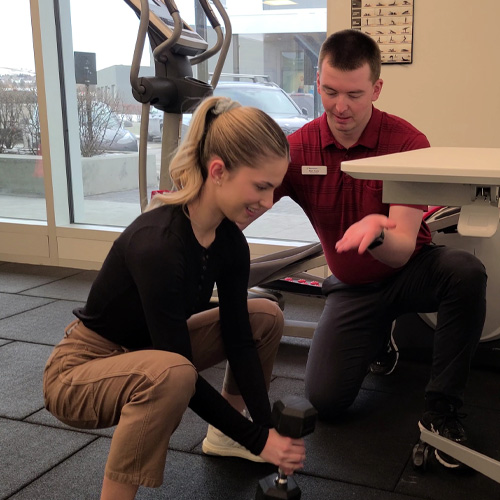
One of the biggest pitfalls in setting resolutions is making them too broad or ambitious. Break larger goals into smaller, manageable steps. For example, if you want to improve your fitness, determine what starting point makes sense for you. If you’re completely sedentary, hitting the gym every day is unrealistic–but going for 20 minutes three times a week isn’t.
2. Make Goals Measurable
Another reason to make goals specific is that it helps you build a clear road to success. Resolutions like “exercise more” or “eat healthier” are too vague and don’t allow you to track your progress. Better goals would be something like “exercise for 30 minutes 5 days a week” or “add one serving of vegetables to every meal.” If you need a little extra motivation, track your progress so you can see how you’re doing!
3. Understanding Your Personal Motivation
Goals rooted in personal motivation are easier to sustain, so spend time reflecting on why you want to make the changes you do. For example, why do you want to eat better? Is it because you’d like to have more energy? Lower your blood sugar levels? Learn some new cooking techniques? Knowing your “why” helps you stay committed, even on challenging days.
4. Build a Routine (But Plan for Setbacks)
You’re more likely to keep your resolutions if you link the new habits to established ones. For example, if your goal is to stretch daily, do your stretches after brushing your teeth or while you wait for your coffee to brew. However, don’t let yourself get discouraged if you miss a day! Just keep going tomorrow.
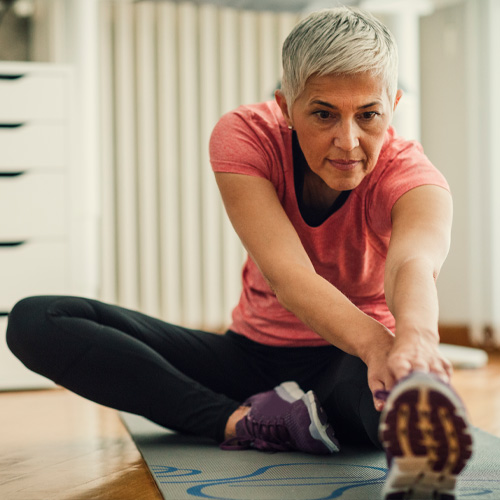

5. Focus on Wellness, Not Perfection
Remember that resolutions are about improvement, not flawless execution. Prioritize habits that enhance your health and well-being while being kind to yourself. You can always switch things up as the snow thaws.
Looking for Help With Your Resolutions?
The team at Momentum Health is here to help you hit your health and wellness goals, no matter what they are. Call us today to learn more about what we can do for you.